Back to Recipes
Sign InRequest Recipe
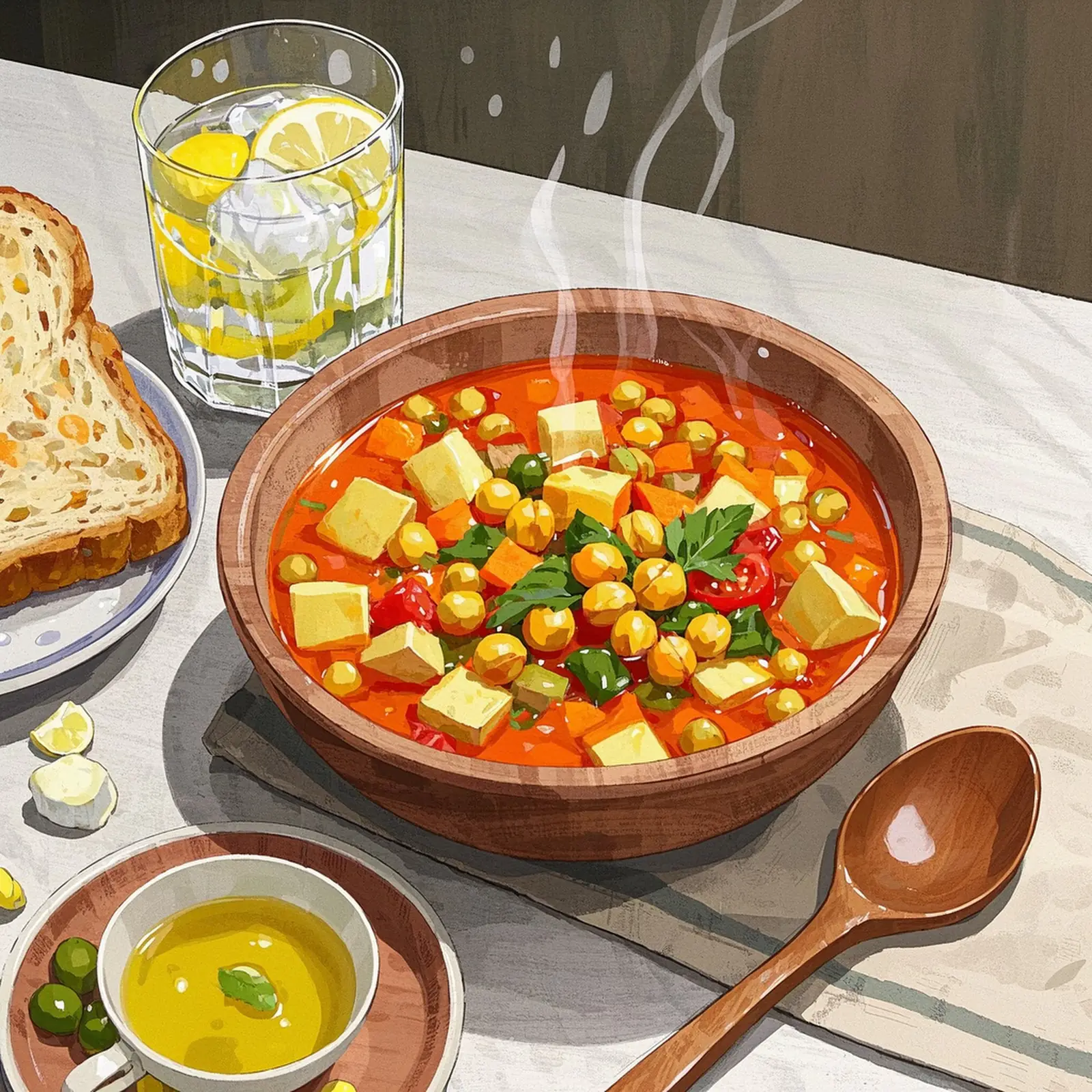
Sopa de Grão de Bico plated dish
🇧🇷Brazilianveganlunchslow - cooked

Sopa de Grão de Bico

Prep 15mCook 30mTotal 45m
medium2 servings9g protein

Share This Recipe

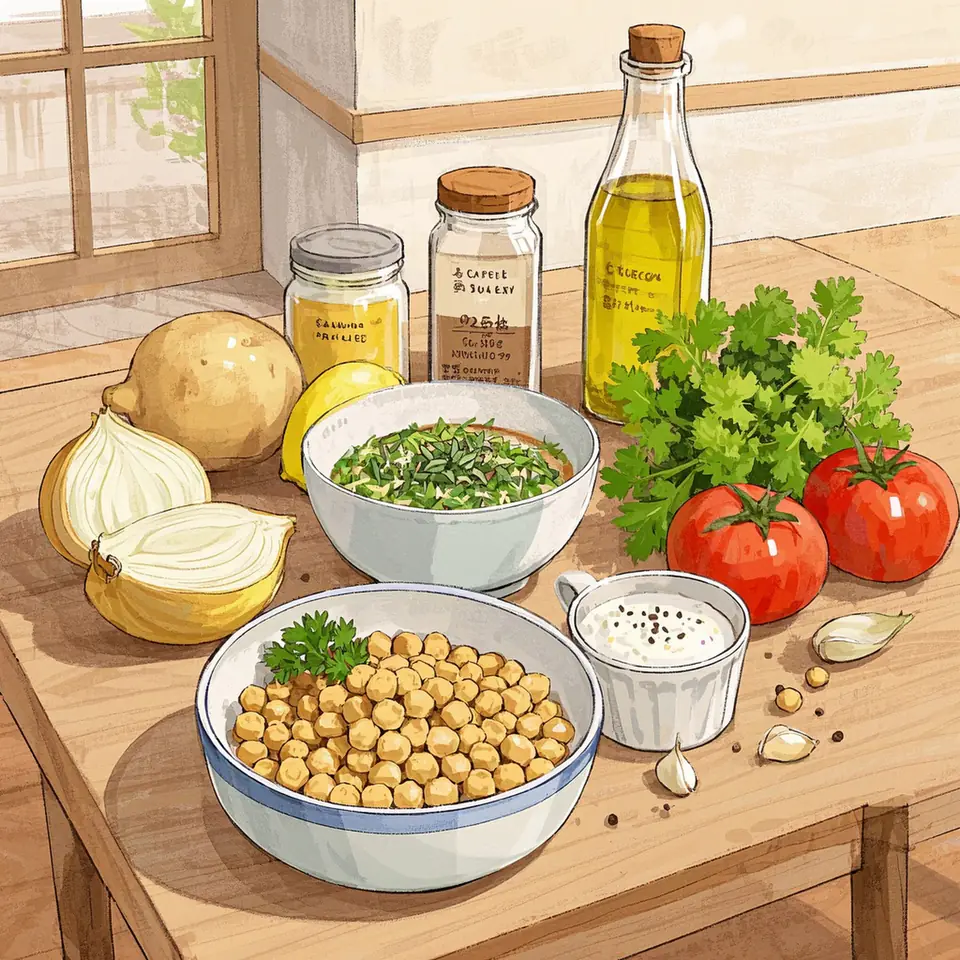
Sopa de Grão de Bico ingredient setup

Ingredients

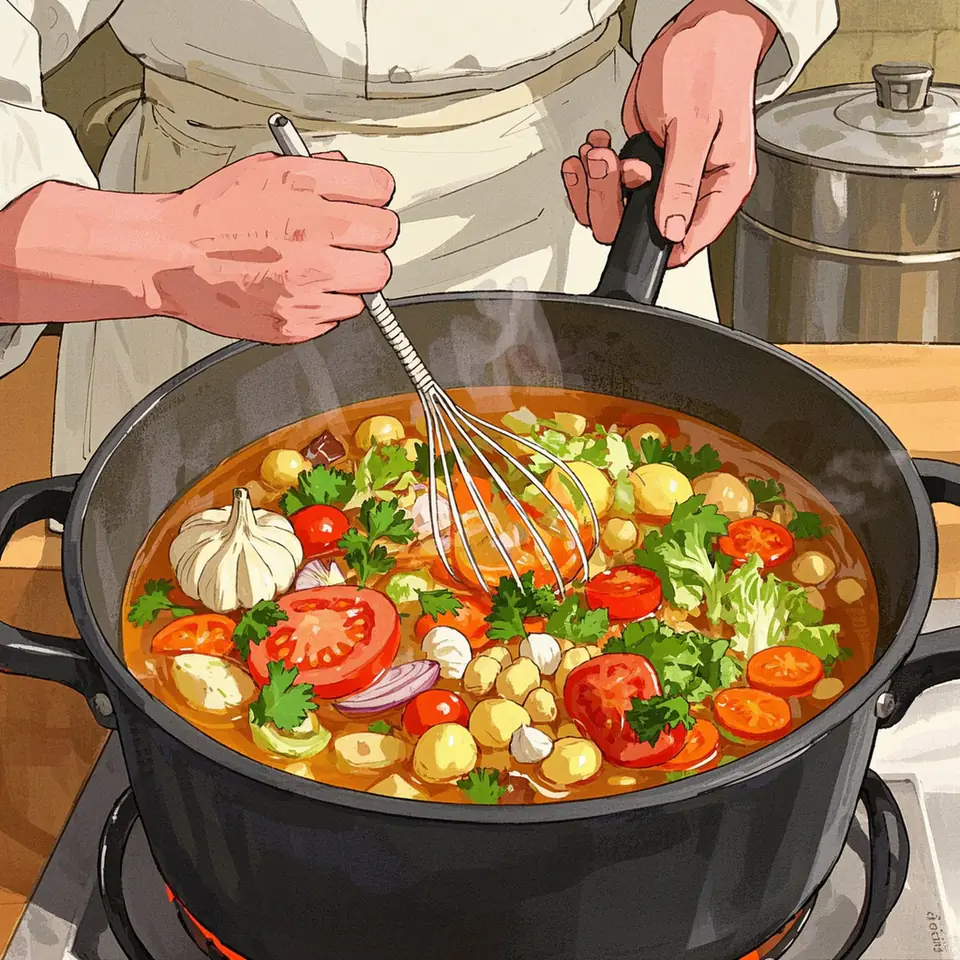
Sopa de Grão de Bico cooking process

Cooking Process

Steps

1

Bring a pot of water to a boil. Once boiling, stir in the nutritional yeast, parsley, salt, celery seed, black pepper, and bay leaf. Then, set the mixture aside.

boilstir
2

Place a large saucepan or pot on the stove and heat the olive oil over medium heat.

heat
3

Add the onion and garlic to the heated oil. Cook for 3 minutes, stirring constantly until the onions start to become translucent.

addcookstir3-3 min
4

Add the tomatoes, cabbage, potatoes, carrot, and cumin to the pot. Stir well to combine all the ingredients, then cook for 1 minute.

addstircook1-1 min
5

Add the chickpeas and cilantro to the pot. Mix thoroughly, then pour in the hot broth. Reduce the heat to low and cook for 30 minutes.

addmixcook30-30 min
6

If you have a glass or stainless - steel blender, use a ladle or heat - proof measuring cup to transfer half of the soup into the blender and purée it. If you only have a plastic blender or food processor, first transfer half of the soup into a heat - proof bowl. Let it cool until it's warm to the touch, then purée it. As an alternative, you can use an immersion blender to purée half of the soup right in the pot.

addpuréeseparatecool
7

Pour the puréed soup back into the pot. Stir in the lemon juice. Serve the soup while it's still warm.

returnstirserve

Nutrition

Per serving (2 servings)

270

Calories

9g

Protein

35g

Carbs

10g

Fat

450mg

Sodium

Quick Answers

Recipe at a glance

Answer-first
Total Time
45 minutes

Recipe metadata

Servings
2

Base recipe yield

Difficulty
medium

Estimated cook difficulty

Cuisine
Brazilian

Tag-based classification

Best For
lunch

Meal-type tag

Timed Steps
3

Steps with timer guidance

Nutrition Snapshot
270 cal • 9g protein

Per base serving (if available)

FAQ

Recipe Questions

Show

How many servings does this Sopa de Grão de Bico recipe make?

This recipe makes 6 servings. It's a great amount for sharing or meal - prepping.

How long does it take to make Sopa de Grão de Bico?

The total time is 45 minutes, with 15 minutes of prep time and 30 minutes of cooking time.

Can I substitute fresh parsley for dried parsley in this recipe?

Yes, you can substitute fresh for dried. Usually, use three times the amount of fresh parsley as dried.

What is the difficulty level of this Sopa de Grão de Bico recipe?

The difficulty level is medium, which may require some basic cooking skills and attention.

Are there any allergens in this Sopa de Grão de Bico recipe?

No, there are no listed allergens in this recipe.

Can I use canned chickpeas instead of cooked chickpeas?

Yes, you can use 2 cans of no - salt - added chickpeas instead of 3 cups of cooked chickpeas.

Substitutions

Show

nutritional yeast

brewer's yeast, miso paste

Brewer's yeast has a similar nutty and savory flavor to nutritional yeast, but it may be slightly more bitter. Miso paste adds umami, but it will change the texture and make the soup a bit thicker. Adjust the quantity according to taste as miso is quite salty.

extra-virgin olive oil

canola oil, sunflower oil

Canola and sunflower oils have a more neutral flavor compared to extra - virgin olive oil. They won't impart the characteristic olive taste, but they are suitable for cooking at medium heat and won't affect the overall texture of the soup.

onion

shallots, leeks

Shallots have a milder and sweeter flavor than onions. Leeks have a more delicate onion - like flavor. When using shallots, you may need to use a bit more as they are smaller. Leeks should be well - washed to remove any dirt between the layers.

garlic

garlic powder, shallots

Garlic powder is a convenient substitute. Use about 1/8 teaspoon of garlic powder for each clove of garlic. Shallots can also replace garlic, adding a similar pungency but with a sweeter note. However, the flavor profile will be slightly different.

tomato

tomato sauce, tomato paste

Tomato sauce is a good substitute and has a similar consistency to crushed tomatoes. If using tomato paste, you'll need to dilute it with some water to achieve the right texture. The flavor of the paste is more concentrated, so adjust the quantity accordingly.

Yukon gold potato

Russet potato, red potato

Russet potatoes are starchier and will make the soup thicker. Red potatoes have a waxy texture and will hold their shape better during cooking. Both can be used, but the final texture of the soup may vary slightly.

chickpeas

cannellini beans, kidney beans

Cannellini beans have a mild flavor and a creamy texture, similar to chickpeas. Kidney beans are a bit firmer and have a stronger flavor. The color of the soup will be affected if using kidney beans.

lemon juice

lime juice, vinegar

Lime juice has a similar acidic and citrusy flavor to lemon juice. Vinegar, such as white wine vinegar or apple cider vinegar, can also add acidity, but it will have a different flavor profile. Start with a small amount and adjust to taste.

Storage & Reheating

Show

Refrigerator

Store the soup in an airtight container in the refrigerator for up to 3 - 4 days.

Freezer

Freeze the soup in a freezer - safe container for up to 3 months.

Storage Tips

  • Ensure the container is tightly sealed to prevent air and moisture from getting in.
  • Label the container with the date of storage.

Reheating Tips

  • Reheat the soup on the stovetop over medium - low heat, stirring occasionally to avoid burning and ensure even heating.
  • If the soup has thickened during storage, add a little water or broth to reach the desired consistency.

Safety Notes

  • Always reheat the soup to a minimum internal temperature to ensure food safety. Exact temperature may vary, but generally, it should be heated until steaming hot.

Troubleshooting

Show

Onions are not becoming translucent after 3 minutes

Likely cause: The heat is too low or the onions were not diced small enough

Increase the heat slightly and continue cooking, stirring constantly. If the onions are large, remove them from the pan, dice them smaller, and start cooking again.

The soup is too thick after 30 minutes of cooking

Likely cause: Too much water evaporated during cooking or not enough water was added initially

Add more water, a little at a time, and stir well. Let the soup cook for a few more minutes to allow the flavors to blend.

The soup has a bland taste

Likely cause: Not enough seasonings were added or the seasonings were not well - distributed

Add a little more salt, black pepper, cumin, or nutritional yeast. Stir the soup thoroughly to ensure the seasonings are evenly mixed.

The soup is burning on the bottom of the pot

Likely cause: The heat was set too high or the soup was not stirred frequently enough

Immediately reduce the heat to low. Stir the soup gently to scrape the burned bits from the bottom. If the burning is severe, transfer the soup to a new pot.

The blender overheats or malfunctions during puréeing

Likely cause: The soup is too hot, overloading the blender, or the blender is not powerful enough

If using a plastic blender or food processor, let the soup cool more before puréeing. If the blender is not powerful enough, purée the soup in smaller batches.

The soup has a strong lemon taste

Likely cause: Too much lemon juice was added

Add a little more water and some extra chickpeas or vegetables to balance the flavor. You can also add a pinch of sugar to counteract the acidity.