Back to Recipes
Sign InRequest Recipe
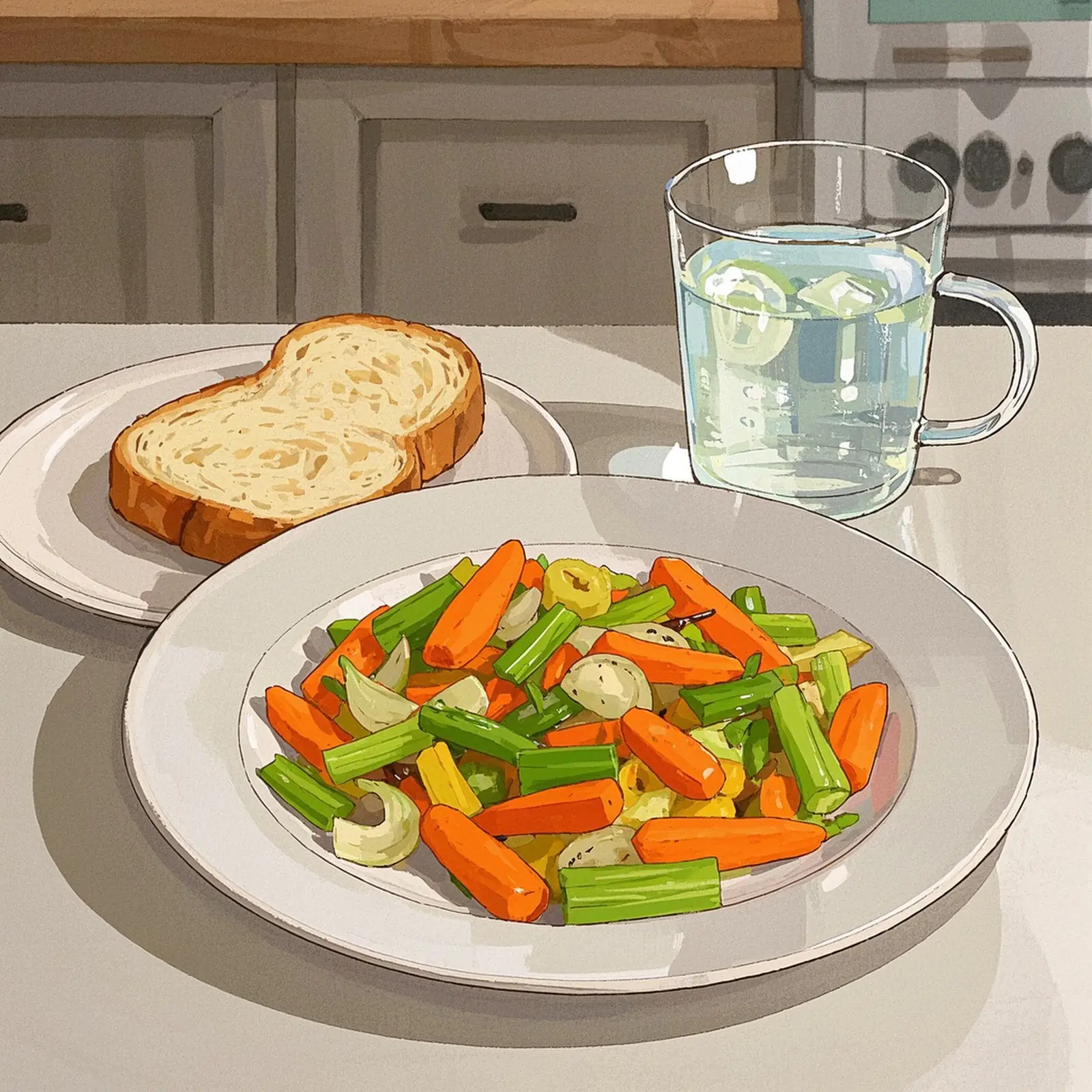
Italian Soffritto plated dish
🇮🇹Italianvegetarianlunchsautéed

Italian Soffritto

Prep 5mCook 10mTotal 15m
easy2 servings2g protein

Share This Recipe

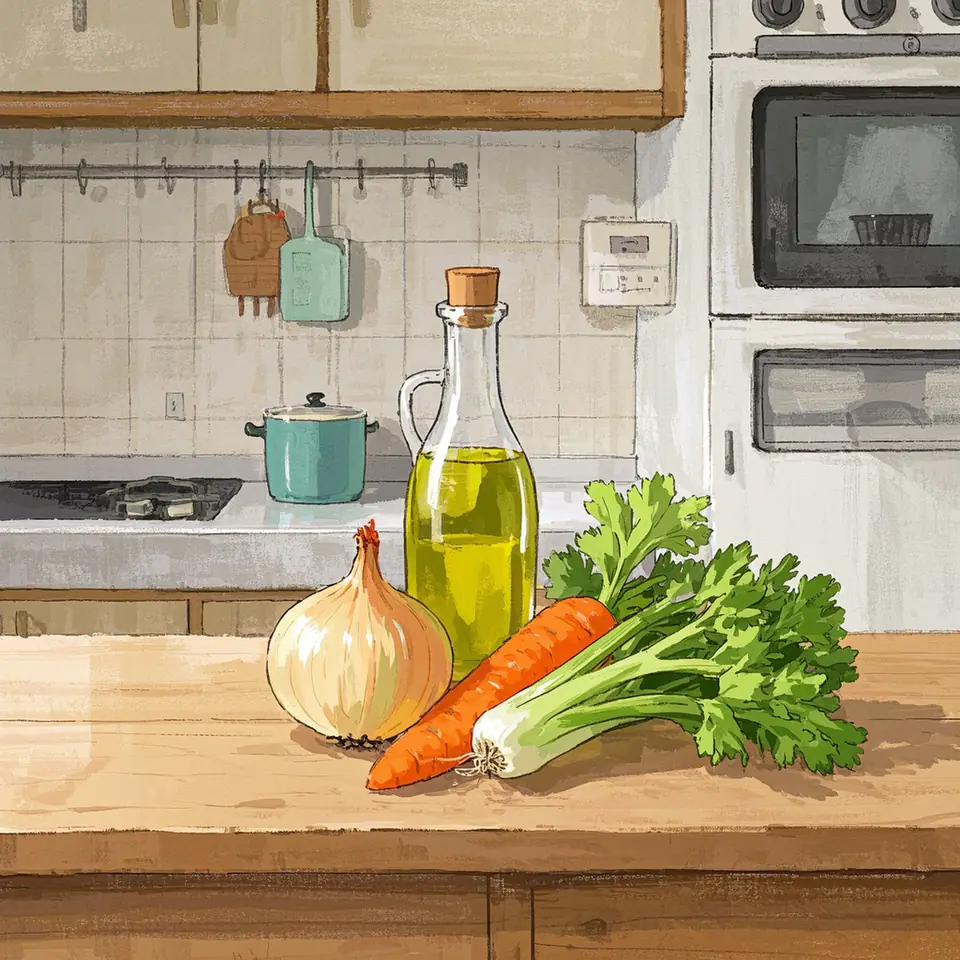
Italian Soffritto ingredient setup

Ingredients

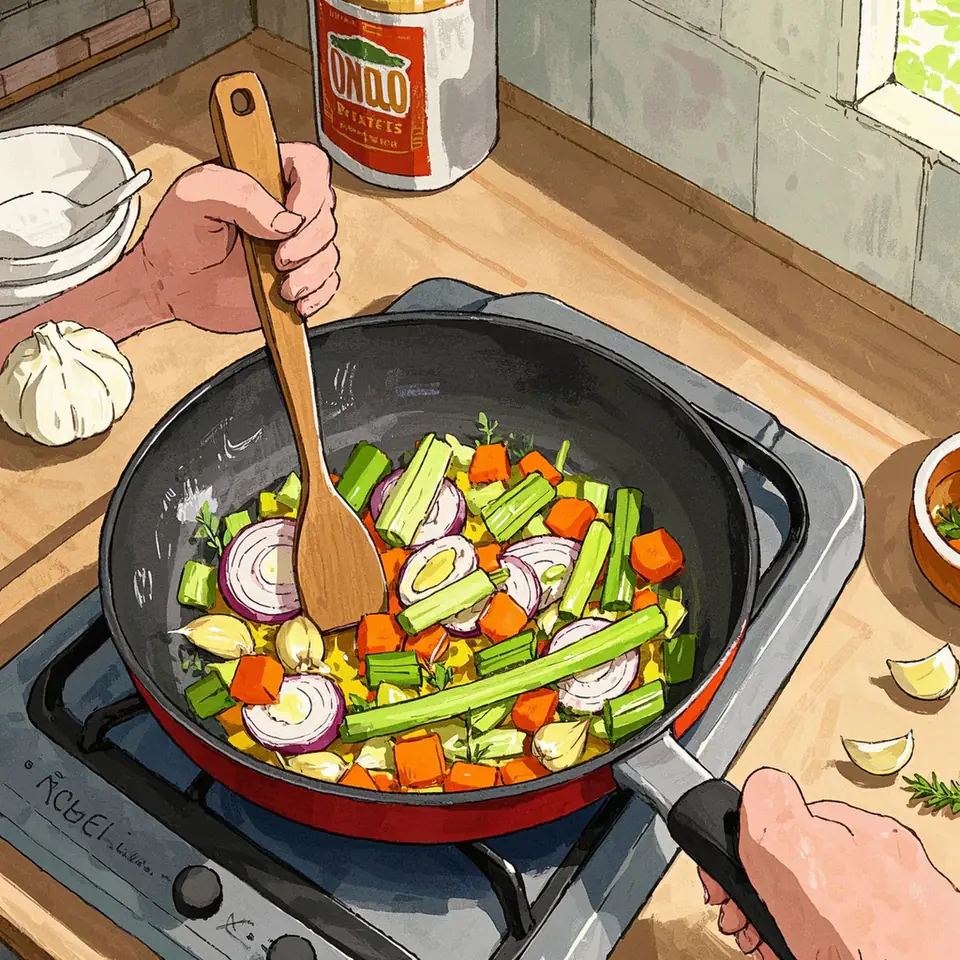
Italian Soffritto cooking process

Cooking Process

Recipe Note

Flavor + context before you cook

""

Steps

1

First, wash, peel, and prepare the vegetables.

washpeelprepare
2

Grab a sharp knife and cut the onion, carrot, and celery into pieces that are close to the same size. You can choose to mince, chop, dice, or finely dice the vegetables – perfection isn't necessary!

cut
3

Pour extra virgin olive oil into a pan or pot and set the heat to medium. Wait until the oil starts to shimmer, then add the diced vegetables. Stir the vegetables often as they cook. If you're adding meat, add it now.

addcookstir
4

Lower the heat to medium - low and continue to sauté the vegetables until they turn golden. This process can take anywhere from 5 to 20 minutes.

adjustsauté5-20 min
5

Check the notes for optional add - ins. When there are 2 - 3 minutes left until the soffritto is done, you can add garlic, herbs, spices, or wine if you'd like. Give the mixture a good stir and keep cooking for 1 or 2 minutes.

addstircook1-3 min
6

Finally, add the remaining ingredients as directed by the recipe you're following.

add

Nutrition

Per serving (2 servings)

198

Calories

2g

Protein

17g

Carbs

14g

Fat

79mg

Sodium

Quick Answers

Recipe at a glance

Answer-first
Total Time
15 minutes

Recipe metadata

Servings
2

Base recipe yield

Difficulty
easy

Estimated cook difficulty

Cuisine
Italian

Tag-based classification

Best For
lunch

Meal-type tag

Timed Steps
2

Steps with timer guidance

Nutrition Snapshot
198 cal • 2g protein

Per base serving (if available)

FAQ

Recipe Questions

Show

How long does it take to make Italian Soffritto?

It takes 15 minutes in total, with 5 minutes of prep time and 10 minutes of cooking time.

How many servings does this Italian Soffritto recipe make?

This recipe makes 2 servings.

Can I substitute the extra virgin olive oil in this recipe?

The recipe doesn't mention substitutes, but other mild - flavored oils like canola oil could potentially work.

Is this Italian Soffritto recipe suitable for people with common food allergies?

Yes, the provided allergen list is empty, indicating no common allergens are used in this recipe.

How difficult is it to make Italian Soffritto?

It's easy to make, with a high confidence rating for difficulty.

Can I prepare Italian Soffritto ahead of time?

The recipe doesn't mention prep - ahead information, but cooked soffritto can likely be stored in the fridge for a few days.

Substitutions

Show

extra virgin olive oil

canola oil, vegetable oil

Canola and vegetable oils have a more neutral flavor compared to the fruity and slightly peppery taste of extra - virgin olive oil. They also have a higher smoke point, which can be useful if you're cooking at a higher heat. However, the overall Italian - inspired flavor profile may be slightly less pronounced.

onion

yellow onion, sweet onion, shallots

Yellow onions are a common substitute and have a strong, pungent flavor. Sweet onions, like Vidalia onions, will add a sweeter taste to the soffritto. Shallots have a more delicate and mild flavor, and they may cook a bit faster, so keep an eye on them during the sautéing process.

carrot

sweet potato, butternut squash

Sweet potato and butternut squash are sweeter and denser than carrots. They will take longer to cook until golden, so adjust the cooking time accordingly. They also add a different color and a richer, earthy - sweet flavor to the soffritto.

celery

fennel, leek

Fennel has a licorice - like flavor that can add an interesting twist to the traditional soffritto. Leeks are milder in flavor compared to celery. Both may require a bit more careful monitoring during cooking as they can become mushy if overcooked.

Storage & Reheating

Show

Refrigerator

Store Italian soffritto in an airtight container in the fridge for 3 - 4 days.

Freezer

It can be frozen in an airtight container or freezer bag for up to 3 months.

Storage Tips

  • Let the soffritto cool completely before storing to prevent condensation and spoilage.

Reheating Tips

  • Reheat the soffritto in a pan over medium - low heat, stirring occasionally to avoid burning.
  • If it seems dry, add a bit of olive oil or a splash of water.

Safety Notes

  • Always reheat the soffritto thoroughly to an appropriate temperature to ensure food safety.

Troubleshooting

Show

Vegetables are burning

Likely cause: The heat was set too high initially or not lowered properly during the sautéing process

Immediately turn off the heat and remove the pan from the burner. Transfer the vegetables to a new pan. Reduce the heat to a lower setting, like low or medium - low, and continue cooking gently

Vegetables are undercooked and not turning golden after 20 minutes

Likely cause: The heat is too low, or the vegetables were cut into large pieces

Increase the heat slightly to medium. If the vegetables are large, use a slotted spoon to remove the biggest pieces and cut them into smaller, more uniform sizes before returning them to the pan

Soffritto tastes bland

Likely cause: Optional add - ins like garlic, herbs, spices, or wine were not added

Even if the cooking time is over, you can add minced garlic, a pinch of Italian herbs (such as oregano or basil), and a splash of wine to the soffritto. Stir well and let it cook on low heat for a few more minutes to infuse the flavors

Vegetables are sticking to the pan

Likely cause: Not enough olive oil was used, or the pan was not pre - heated properly

Add a little more olive oil to the pan. If the vegetables are already stuck, add a small amount of water or broth to the pan, stir gently, and let it simmer for a minute to loosen the stuck bits

The soffritto has a bitter taste

Likely cause: The vegetables were burned slightly during the cooking process

Remove any visibly burned pieces from the soffritto. Add a small amount of sugar or a splash of vinegar to help balance out the bitterness. Stir well and taste to adjust the flavor

The vegetables are cooking unevenly

Likely cause: The vegetables were not cut into similar - sized pieces

Use a slotted spoon to remove the overcooked pieces and set them aside. Continue cooking the undercooked pieces until they reach the desired doneness. Then, add the previously removed overcooked pieces back to the pan