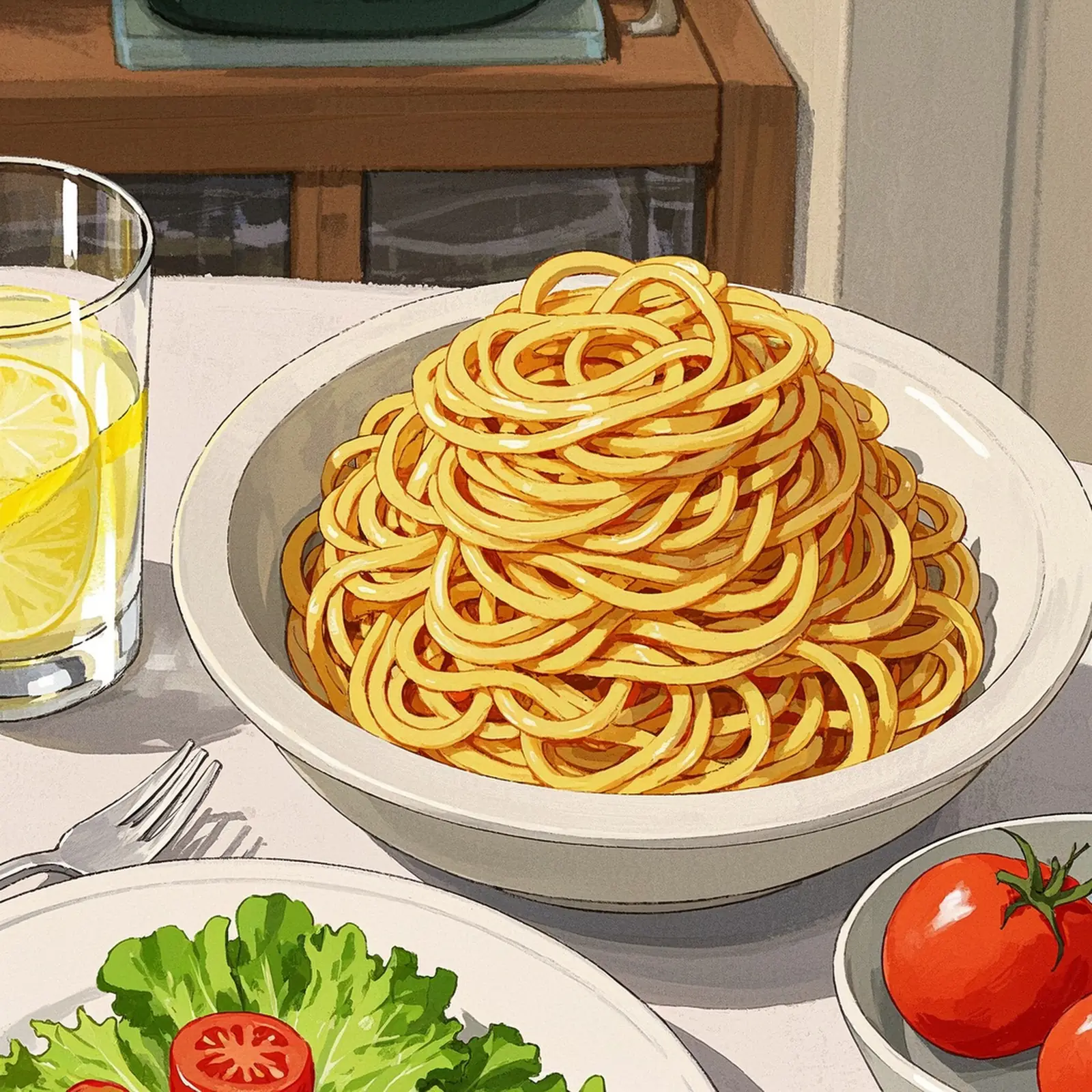
How to Make Fresh Pasta plated dish
🇮🇹Italiandinnerboilednull

How to Make Fresh Pasta

Contains: eggs, wheat/gluten
Prep 40mCook 2mTotal 42m
medium2 servings9.8g protein

Share This Recipe

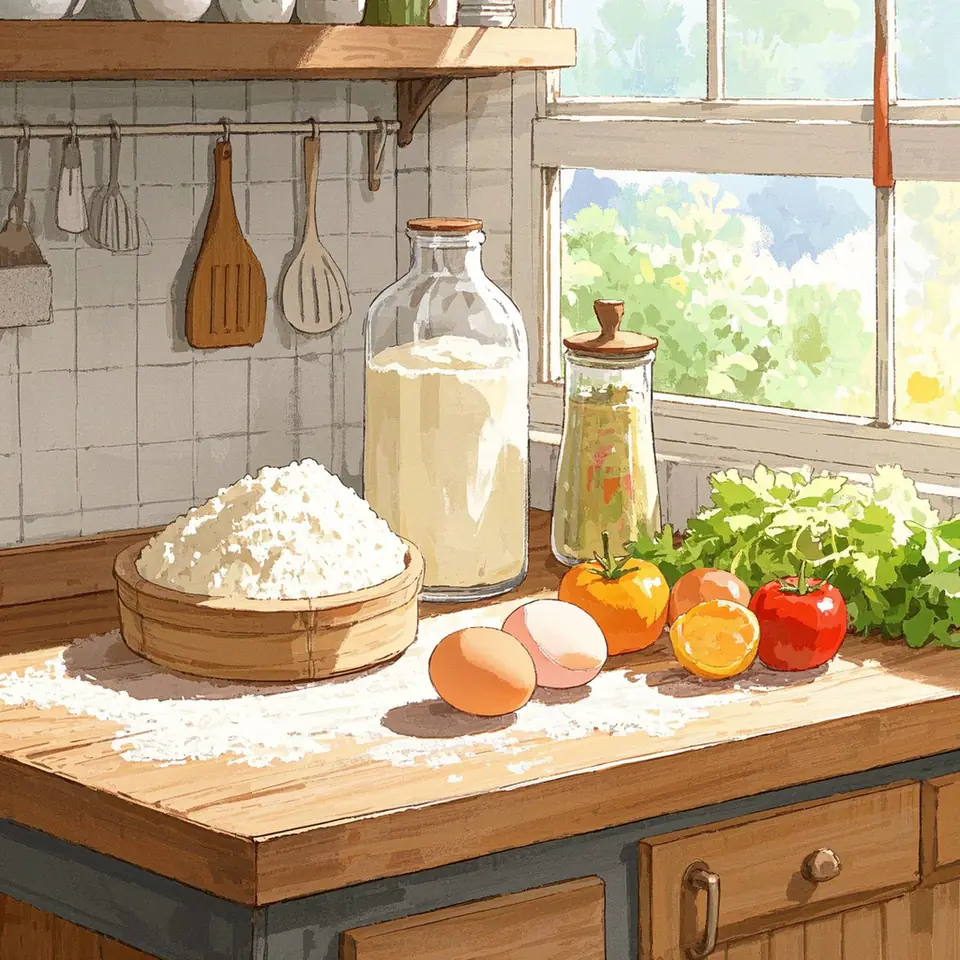
How to Make Fresh Pasta ingredient setup

Ingredients

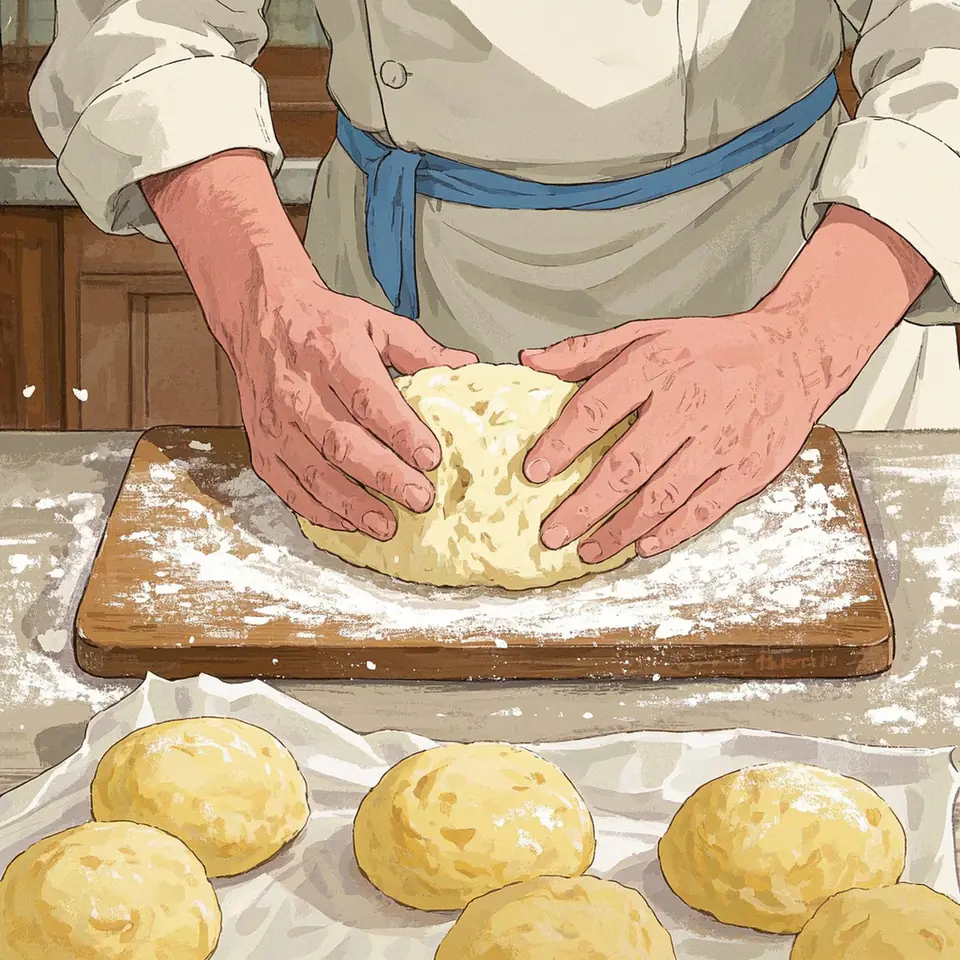
How to Make Fresh Pasta cooking process

Cooking Process

Recipe Note

Flavor + context before you cook

""

Steps

1

Over a pastry board, make a flour mound. Use your finger to gently move the flour and create a well, or 'fontana' in Italian, in the middle of the mound. Crack the eggs into the well. Whisk the eggs with a fork, gradually incorporating the flour little by little. Be careful to keep the 'walls' of the flour mound intact to prevent the eggs from spilling. If the eggs spill, quickly use the fork or your hands to pull the mixture back into the well.

mix
2

Knead the dough vigorously with your hands for at least 10 minutes. If the dough is too dry, wet your hands with a few drops of water and continue kneading until the dough forms a loose ball. Cover the dough with plastic wrap and let it rest at room temperature for 30 minutes.

kneadrest10- min
3

After 30 minutes, cut a piece of dough. Wrap the remaining dough to prevent it from drying out.

cut
4

Use a rolling pin to flatten the first piece of dough into an oval disk. Sprinkle the disk with flour. Set your pasta machine to the widest setting (0 - 1) and run the oval disk through the pasta machine's rollers.

roll
5

Fold the two edges of the dough towards the center. Sprinkle the folded dough with a little more flour. Run the dough through the pasta rollers again, keeping the widest setting.

foldroll
6

Keep running the dough through the machine's rollers, adjusting the gear settings each time. Usually, 0 or 1 are the widest settings, while 8 - 9 are the tightest. Roll the disc of dough once for each gear setting until you reach the desired thickness. Place the pasta sheet on the side and sprinkle it with some flour. Repeat this rolling process for each piece of dough until you've used all the dough.

roll
7

If you want to make tagliatelle or fettuccine, attach the cutter to the pasta machine. Sprinkle the pasta sheet with flour to prevent it from sticking to the cutter. Roll the pasta sheet through the cutter attachment. It's recommended to let the tagliatelle dry without folding them. If you don't have a drying rack, lay the tagliatelle on a kitchen towel sprinkled with flour.

cutdry
8

Cook the tagliatelle in boiling water for 2 minutes.

cook2- min

Nutrition

Per serving (2 servings)

244

Calories

10g

Protein

32g

Carbs

7g

Fat

22mg

Sodium

Quick Answers

Recipe at a glance

Answer-first
Total Time
42 minutes

Recipe metadata

Difficulty
medium

Estimated cook difficulty

Cuisine
Italian

Tag-based classification

Best For
dinner

Meal-type tag

Allergens
eggs, wheat/gluten

Detected from ingredients + tags

Timed Steps
2

Steps with timer guidance

Nutrition Snapshot
244 cal • 9.8g protein

Per base serving (if available)

FAQ

Recipe Questions

Show

How long does it take to make fresh pasta?

The total time is 42 minutes, with 40 minutes of prep time and 2 minutes of cooking time.

What are the allergens in this fresh pasta recipe?

The allergens in this recipe are wheat/gluten and eggs.

How difficult is it to make fresh pasta?

The difficulty level of making this fresh pasta is medium.

Can I substitute the all - purpose flour?

There's no substitution information provided in the recipe.

How long should I knead the dough?

You should knead the dough vigorously for at least 10 minutes.

How long do I cook the tagliatelle?

Cook the tagliatelle in boiling water for 2 minutes.

Substitutions

Show

All - purpose Flour

Whole wheat flour, Semolina flour

Whole wheat flour will add more fiber and a nuttier flavor, but the pasta may be denser. Semolina flour is commonly used in Italian pasta and will give the pasta a slightly coarser texture and a more golden color.

Eggs

Applesauce (1/4 cup per egg), Silken tofu (1/4 cup per egg)

Applesauce and silken tofu can be used as egg substitutes for a vegan option. However, the texture of the pasta may be slightly different. Applesauce may add a bit of sweetness, while silken tofu can make the dough a bit softer. You may need to adjust the amount of flour to achieve the right consistency.

Pasta machine

Rolling pin

If you don't have a pasta machine, you can use a rolling pin to roll out the dough. It will take more time and effort, but it is still possible to achieve a similar result. You may need to roll the dough thinner than you would with a pasta machine to get the desired thickness.

Kitchen towel

Baking sheet lined with parchment paper

If you don't have a kitchen towel, you can use a baking sheet lined with parchment paper to dry the tagliatelle. Make sure to sprinkle the parchment paper with flour to prevent the pasta from sticking.

Storage & Reheating

Show

Refrigerator

Store uncooked fresh pasta in an airtight container in the fridge for 1-2 days. Cooked pasta can be refrigerated for 3-5 days.

Freezer

Uncooked fresh pasta can be frozen for up to 3 months. Place it in a freezer-safe bag, removing as much air as possible. Cooked pasta can also be frozen, but may become a bit mushy upon thawing and reheating. Freeze for up to 2 months.

Storage Tips

  • Keep uncooked pasta covered to prevent it from drying out. Use a plastic wrap or an airtight container. When freezing, label the container with the date to keep track of its freshness.

Reheating Tips

  • For cooked refrigerated pasta, reheat it in boiling water for about 1 minute or until heated through. Stir gently to avoid breaking the pasta. If you prefer, you can also reheat it in a microwave-safe dish, covered, on medium power for short intervals, stirring in between to ensure even heating and prevent drying out. For frozen pasta, thaw it in the refrigerator overnight before reheating using the same methods.

Safety Notes

  • Always ensure the pasta is heated to a proper temperature to prevent foodborne illness. Discard any pasta that shows signs of spoilage, such as an off smell or mold.

Troubleshooting

Show

Eggs spill out of the flour well

Likely cause: The 'walls' of the flour mound were not kept intact while whisking the eggs

Quickly use the fork or your hands to pull the mixture back into the well. If needed, add a bit more flour around the edges to reinforce the well.

Dough is too dry and won't form a ball during kneading

Likely cause: Not enough moisture in the dough, perhaps due to the flour absorbing more liquid than expected

Wet your hands with a few drops of water and continue kneading until the dough forms a loose ball.

Dough dries out while resting

Likely cause: The plastic wrap was not sealed properly, allowing air to reach the dough

Make sure the plastic wrap is tightly sealed around the dough. If the dough has already dried on the surface, lightly moisten it with a damp cloth and then re - cover.

Pasta dough tears when running through the pasta machine

Likely cause: The dough is too dry or the machine setting is too tight for the current thickness of the dough

If the dough is dry, lightly mist it with water and let it sit for a few minutes. If the setting is too tight, go back to a wider setting and gradually work your way down again.

Pasta sheets stick to the pasta machine rollers

Likely cause: Not enough flour was sprinkled on the dough

Sprinkle more flour on the dough and on the rollers. Gently wipe off any excess dough from the rollers before continuing.

Tagliatelle or fettuccine stick together after cutting

Likely cause: Not enough flour was used to prevent sticking

Sprinkle more flour on the pasta sheets before cutting and on the cut pasta. If they have already stuck, gently separate them by hand while dusting with more flour.

Tagliatelle are overcooked

Likely cause: The pasta was left in the boiling water for longer than 2 minutes

Immediately remove the pasta from the boiling water and rinse it under cold water to stop the cooking process. You can then use it in your dish, but note that the texture may be softer than ideal.

Tagliatelle are undercooked

Likely cause: The pasta was not cooked for the full 2 minutes

Return the undercooked pasta to the boiling water and cook for an additional 30 - 60 seconds, then check for doneness.