Creamy Shrimp Tagliatelle with Heirloom Tomatoes, Garlic, and Chili
Share This Recipe

Ingredients

Cooking Process
Recipe Note
Flavor + context before you cook
""
Steps
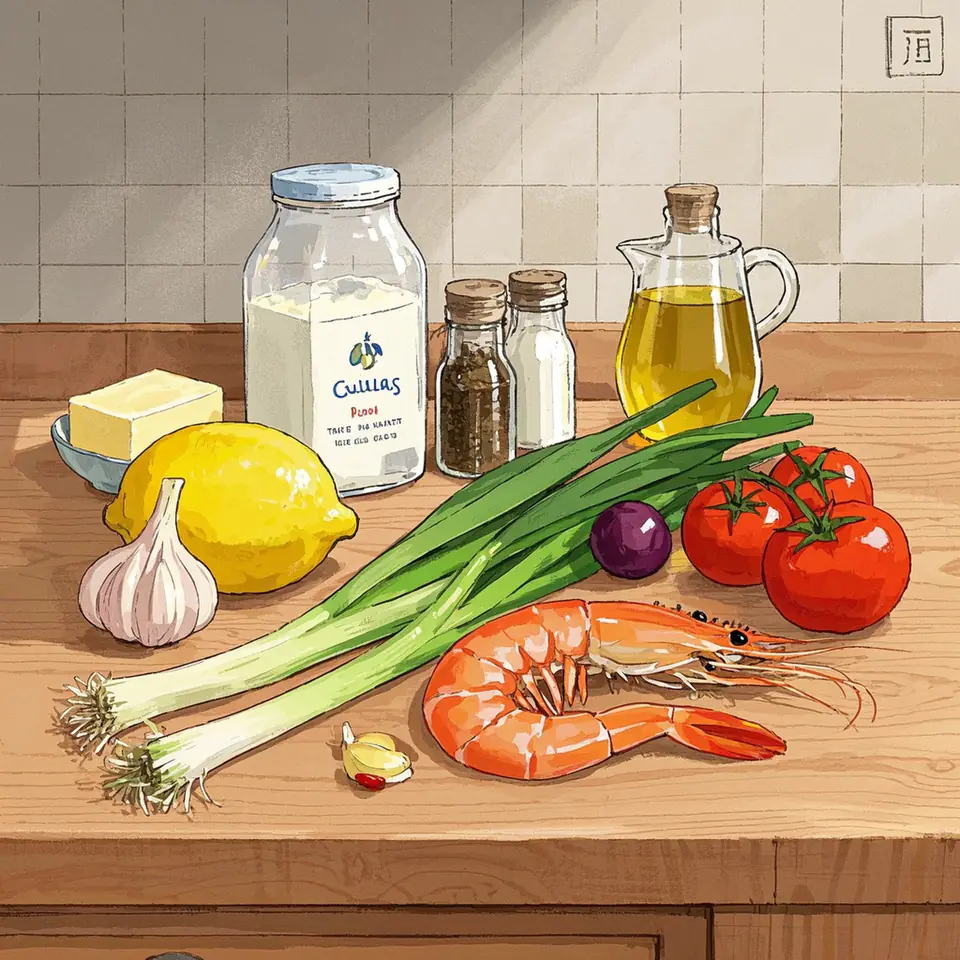
Start by washing and thoroughly drying all the produce. Then, take a large pot, add salted water to it, and bring the water to a rolling boil. Next, mince the garlic. Trim the scallions and thinly slice them, making sure to keep the greens and whites separate. Finely mince the chili, and if you prefer less heat, remove the seeds and ribs. Halve the tomatoes. Cut the lemon into wedges. Finally, rinse the shrimp and pat them dry with a paper towel.
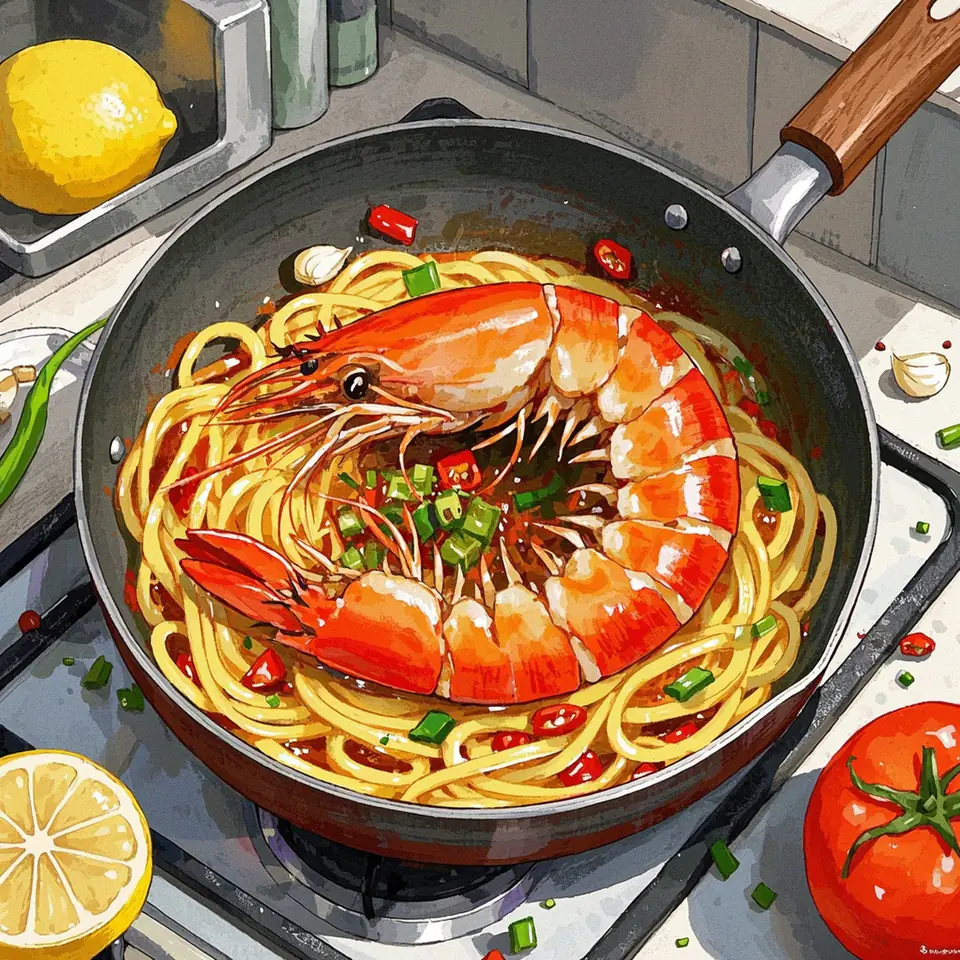
Pour a drizzle of olive oil into a large pan and heat it over medium - high heat. Add the minced garlic, scallion whites, and chili to the pan according to your taste preference. Cook the mixture until it becomes fragrant, which should take about 30 seconds. Then, add the shrimp to the pan and cook them, gently tossing, until they start to turn pink but are not fully cooked through. This will take about 1 - 2 minutes. Season the shrimp with salt and pepper.
Once the water in the large pot is boiling, add the tagliatelle to the pot. If you notice any noodles are stuck together, separate them before adding them to the water. Cook the tagliatelle, stirring it occasionally, until it is al dente. This process will take about 4 - 5 minutes. After the tagliatelle is cooked to the right consistency, carefully scoop out and reserve ¼ cup of the pasta cooking water. Then, drain the tagliatelle.
Meanwhile, while the tagliatelle is cooking, add the halved tomatoes to the pan with the shrimp. Cook the tomatoes, tossing them gently, until they become wilted and juicy, which will take about 2 - 3 minutes. Season the tomatoes and shrimp with salt and pepper. Once done, remove the pan from the heat and set it aside until the pasta is ready. If you like your dish extra spicy, you can add any remaining chili according to your taste at this point.
Once the tagliatelle is finished cooking, return the pan with the shrimp and tomatoes to medium heat. Add the cooked tagliatelle and 2 TBSP of butter to the pan. Toss the ingredients together to combine them and melt the butter. Season the mixture with salt and pepper.
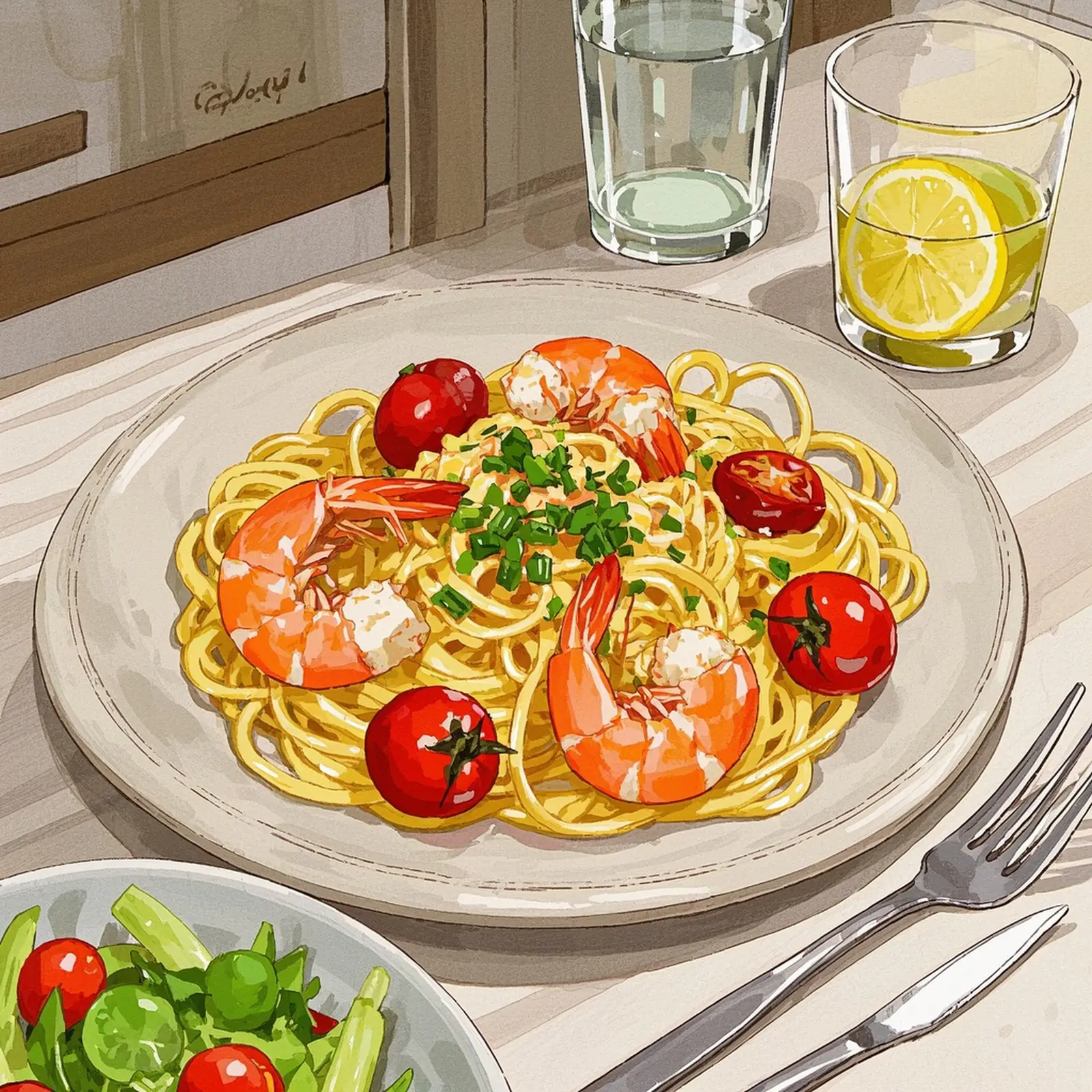
Remove the pan from the heat. Stir in the sour cream, a squeeze of lemon, and as much of the reserved pasta cooking water as needed to achieve a saucy consistency. Season the dish with salt and pepper one last time. Divide the creamy shrimp tagliatelle between plates or bowls. Garnish the dish with the scallion greens. Serve the dish with the lemon wedges on the side so you can squeeze them over the pasta as you like.
Nutrition
Per serving (2 servings)
750
Calories
50g
Protein
86g
Carbs
27g
Fat
880mg
Sodium
Quick Answers
Recipe at a glance
Recipe metadata
Base recipe yield
Estimated cook difficulty
Tag-based classification
Meal-type tag
Detected from ingredients + tags
Steps with timer guidance
Per base serving (if available)
FAQ
Recipe Questions
Show
FAQ
Recipe Questions
How long does it take to make Creamy Shrimp Tagliatelle with Heirloom Tomatoes?
It takes about 20 minutes in total. This includes cooking the shrimp, tagliatelle, and tomatoes.
How many servings does this recipe make?
This recipe makes 2 servings.
What are the allergens in this recipe?
The allergens in this recipe are dairy, shellfish, and wheat/gluten.
Can I substitute the sour cream in this recipe?
The recipe doesn't mention substitutes. You could try alternatives like Greek yogurt.
How difficult is it to make this Creamy Shrimp Tagliatelle?
The difficulty level of this recipe is easy.
Substitutions
Show
Substitutions
Garlic
Shallots, Onions
Shallots have a milder and sweeter flavor compared to garlic. Onions are more pungent. When using shallots or onions, you may need to cook them a bit longer to mellow their flavors.
Scallions
Green onions, Chives
Green onions are very similar to scallions in flavor and can be used interchangeably. Chives have a milder, more delicate flavor and are best used as a garnish instead of a main aromatic.
Chili Pepper
Red pepper flakes, Jalapeno peppers
Red pepper flakes offer a convenient way to add heat. Jalapeno peppers have a fresh flavor and can be used in a similar way as the chili pepper in the recipe. If using jalapenos, you may want to remove the seeds for less heat.
Heirloom Grape Tomatoes
Cherry tomatoes, Roma tomatoes
Cherry tomatoes are similar in size and sweetness to heirloom grape tomatoes. Roma tomatoes are more meaty and have less juice, which may affect the juiciness of the dish.
Shrimp
Chicken breast, Tuna
Chicken breast needs to be cut into small pieces and cooked longer than shrimp. Tuna can be used canned or fresh, but fresh tuna should be cooked carefully to avoid overcooking. Both will change the texture and flavor of the dish.
Tagliatelle Pasta
Fettuccine, Spaghetti
Fettuccine is very similar to tagliatelle in shape and texture. Spaghetti is a thinner pasta, so it may cook faster. Adjust the cooking time accordingly.
Sour Cream
Greek yogurt, Cream cheese
Greek yogurt is a healthier alternative with a tangy flavor. Cream cheese will make the sauce richer and thicker. You may need to thin it out with some of the reserved pasta water.
Butter
Olive oil, Margarine
Olive oil will give the dish a more Mediterranean flavor. Margarine can be used as a substitute, but make sure to choose a high - quality one for better taste.
Storage & Reheating
Show
Storage & Reheating
Refrigerator
Store leftovers in an airtight container in the fridge for 2 - 3 days.
Freezer
For longer storage, freeze in an airtight container for up to 2 months. However, the pasta may become a bit mushy after thawing.
Storage Tips
- • Let the dish cool to room temperature before refrigerating or freezing to prevent condensation inside the container.
Reheating Tips
- • Reheat in a skillet over medium - low heat, stirring occasionally to avoid drying out the pasta and shrimp. Add a splash of the reserved pasta water or some milk to maintain creaminess.
- • If using a microwave, cover the dish with a microwave - safe lid or plastic wrap with a small vent to prevent splattering. Stir halfway through the reheating time.
Safety Notes
- • Ensure the shrimp is heated to an internal temperature of at least 145°F (63°C) to avoid foodborne illness. Use a food thermometer to check.