Creamy Cauliflower Pasta Bake
Share This Recipe

Ingredients

Cooking Process
Recipe Note
Flavor + context before you cook
""
Steps
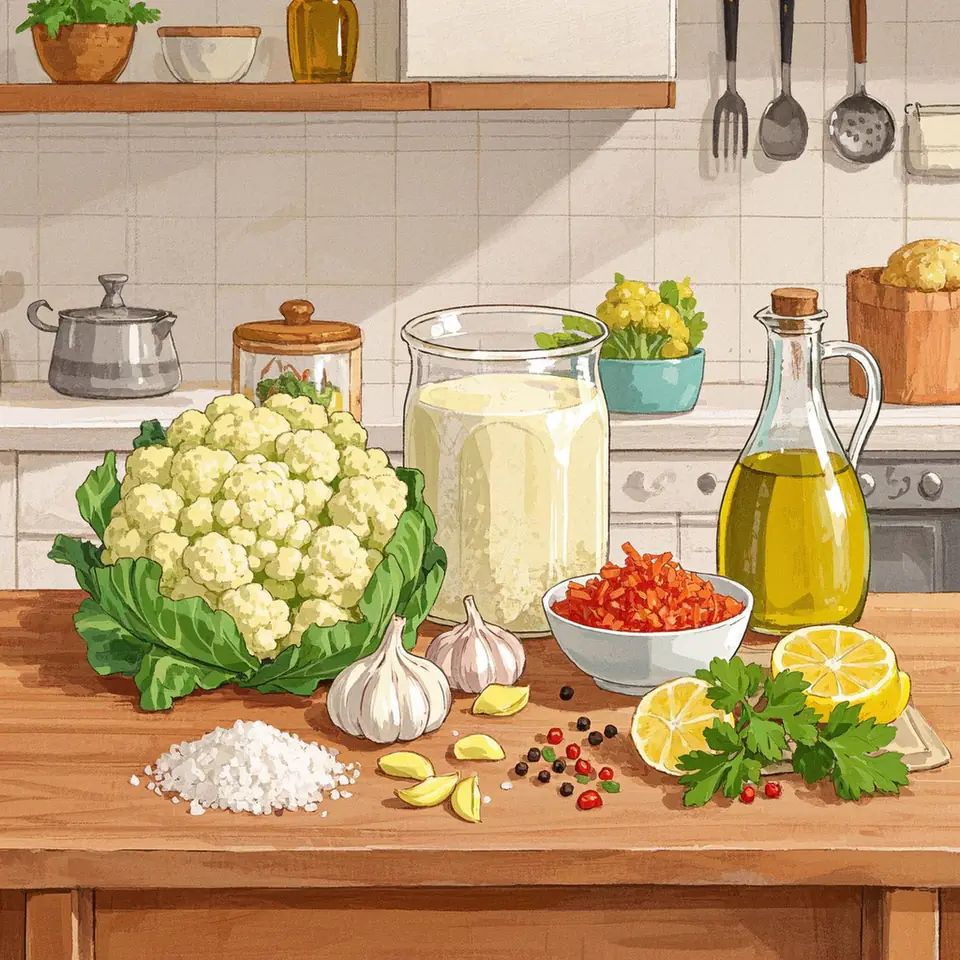
Roughly chop the cauliflower stems and florets. Transfer the chopped cauliflower to a large pot. Fill the pot with water and season it generously with salt. Place the pot over high heat and bring the water to a boil. Once boiling, reduce the heat to low and let it simmer, uncovered. Cook the cauliflower until it's very soft, which should take about 10 - 12 minutes. Do not drain the water.
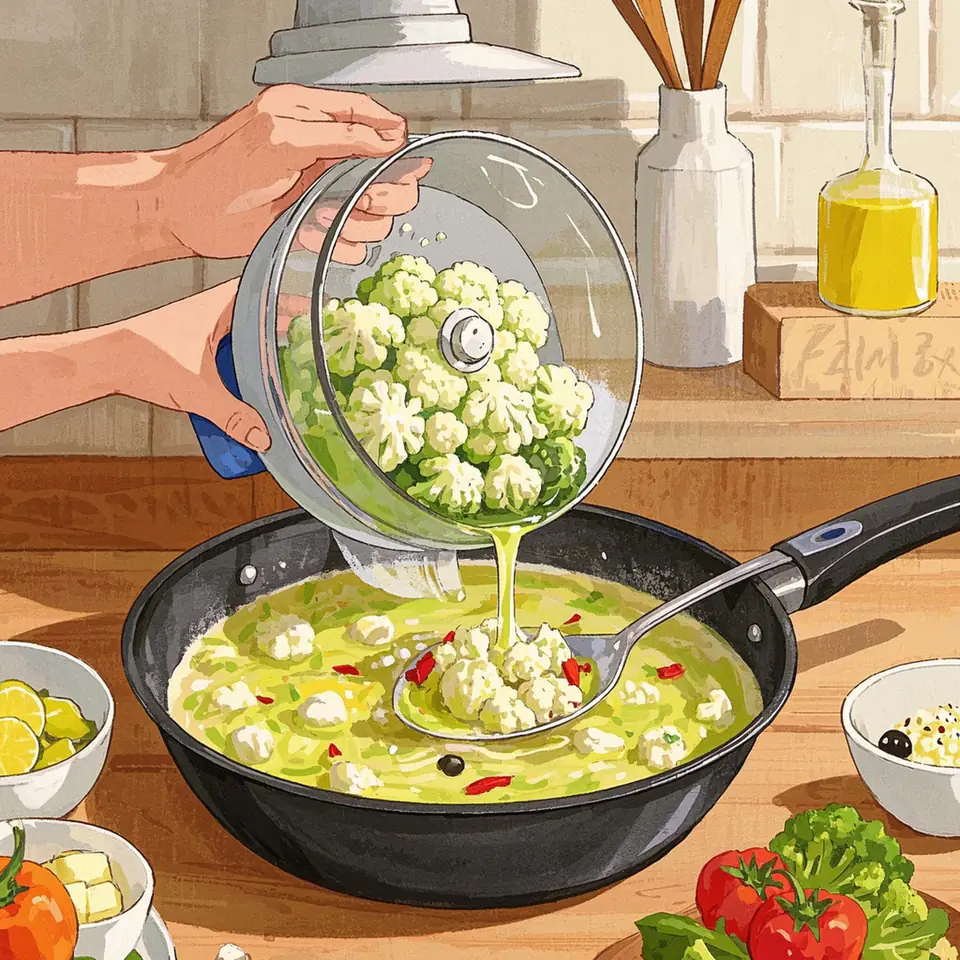
Using a slotted spoon, transfer half of the cooked cauliflower to a food processor or blender. Add 1/2 cup of the cauliflower cooking liquid, half of the garlic, half of the lemon zest, half of the red pepper flakes, a third of the Parmesan cheese, and 2 tablespoons of olive oil to the blender. Leave a small opening at the top of the blender to let the steam escape. Blend the ingredients until the mixture is smooth and creamy, which will take about 1 minute. Transfer the blended mixture to a large bowl.
Repeat the previous step with the remaining cauliflower, garlic, lemon zest, red pepper flakes, another third of the Parmesan cheese, and another 2 tablespoons of olive oil. Transfer this second batch of blended mixture to the large bowl with the first batch of sauce. Taste the sauce and season it with salt and pepper according to your preference.
Preheat the oven to 425°F (218°C). Add additional water to the now - empty pot if needed to cook the pasta. Place the pot over high heat and bring the water to a boil. Season the boiling water generously with salt. Add the pasta to the boiling water and cook it until it's very al dente, which is about 2 minutes less than the time stated on the package instructions.
Drain the cooked pasta and add it to the bowl with the cauliflower sauce. Gently toss the pasta to coat it evenly with the sauce. Taste the pasta and sauce mixture again and season it with salt and pepper as you like.
Transfer the pasta and sauce mixture to a 9x13 - inch baking pan. In a medium bowl, combine the panko, parsley, the remaining Parmesan cheese, a pinch of salt, and the remaining 2 tablespoons of olive oil.
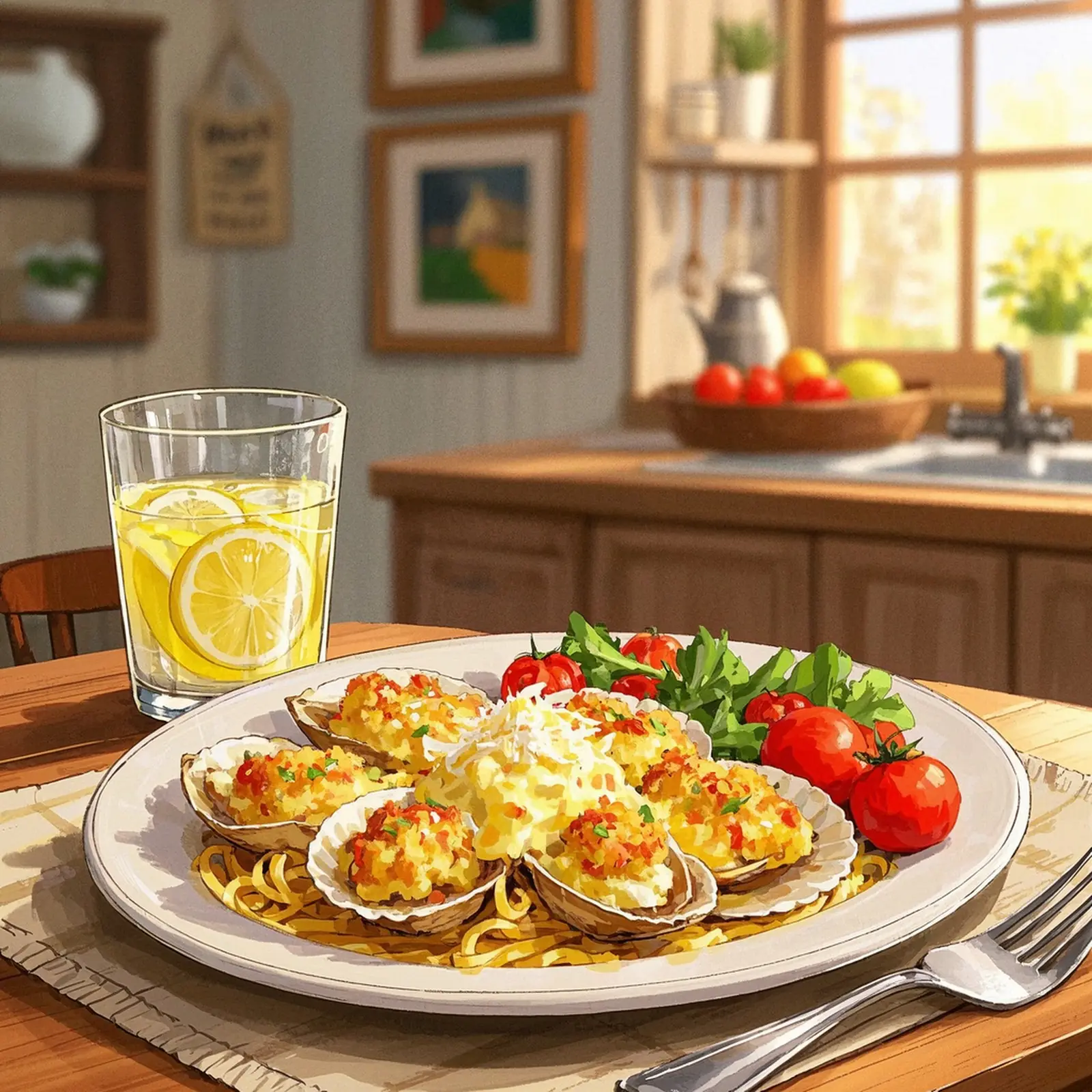
Sprinkle the panko mixture on top of the cauliflower pasta in the baking pan. Place the baking pan in the preheated oven and bake for 20 - 25 minutes. Bake until the sauce bubbles slightly around the edges and the breadcrumbs on top are browned.
Let the baked pasta stand for 15 minutes before serving. This allows it to cool slightly so you don't burn the roof of your mouth when you take a bite. Then, enjoy your creamy cauliflower pasta bake!
Nutrition
Per serving (2 servings)
111
Calories
Quick Answers
Recipe at a glance
Recipe metadata
Base recipe yield
Estimated cook difficulty
Tag-based classification
Meal-type tag
Detected from ingredients + tags
Parsed from steps
Steps with timer guidance
Per base serving (if available)
FAQ
Recipe Questions
Show
FAQ
Recipe Questions
How many servings does this creamy cauliflower pasta bake recipe make?
This recipe yields 6 servings. It's suitable for a weekend meal at home or when hosting company.
What are the allergens in this creamy cauliflower pasta bake?
The allergens in this recipe are dairy and wheat/gluten. Be cautious if you have allergies to these ingredients.
How long does it take to cook the cauliflower?
It takes about 10 - 12 minutes to cook the cauliflower until it's very soft. The cauliflower is simmered uncovered in salted water.
Can I substitute the shells pasta with other types?
Yes, you can substitute the shells pasta with other short pasta like rotini, penne, or farfalle.
What temperature should I preheat the oven to?
Preheat the oven to 425°F (218°C) for baking the pasta and sauce mixture.
How long does the entire process of making this recipe take?
The total time to make this recipe is 60 minutes, including 25 minutes of prep time and 45 minutes of cook time.
Substitutions
Show
Substitutions
cauliflower
broccoli, sweet potato
Broccoli has a similar texture and cooking time to cauliflower, but it has a slightly stronger flavor. Sweet potato will add a sweeter taste and a denser texture. The cooking time for sweet potato may be longer, so you may need to adjust accordingly.
garlic
shallots, onions
Shallots have a milder and sweeter flavor compared to garlic. Onions are more pungent. You may need to use a bit more shallots or onions to achieve a similar flavor intensity.
Parmesan cheese
Pecorino Romano cheese, Nutritional yeast
Pecorino Romano has a similar salty and sharp flavor to Parmesan. Nutritional yeast is a dairy - free alternative that adds a cheesy, nutty flavor, but it won't melt like Parmesan. It's best for adding a cheesy taste to the sauce and topping.
olive oil
avocado oil, canola oil
Avocado oil has a high smoke point and a mild flavor, similar to olive oil. Canola oil is a neutral - flavored oil that can also be used in place of olive oil, but it lacks the characteristic flavor of olive oil.
shells pasta
rotini, penne, farfalle
These are all short pasta shapes that work well in a pasta bake. They have similar cooking times and will hold the sauce in a similar way.
panko or breadcrumbs
crushed crackers, cornflakes
Crushed crackers can add a different flavor profile depending on the type of cracker. Cornflakes will give a lighter and crunchier texture. Adjust the amount as needed to achieve the desired topping consistency.
parsley
cilantro, basil
Cilantro has a fresh and citrusy flavor, while basil has a sweeter and more herbal flavor. They can both add a pop of color and freshness to the dish.
Storage & Reheating
Show
Storage & Reheating
Refrigerator
Store leftovers in an airtight container in the fridge for 3 - 4 days.
Freezer
Freeze leftovers in a freezer - safe container for up to 3 months.
Storage Tips
- • Ensure the container is well - sealed to prevent air and moisture from getting in.
Reheating Tips
- • Preheat the oven to 350°F (177°C). Cover the pasta bake with foil and bake for about 20 - 25 minutes, or until heated through to avoid drying out. If using a microwave, cover with a microwave - safe lid or damp paper towel and heat in short intervals, stirring in between to ensure even heating.
Safety Notes
- • Always reheat the pasta bake to an internal temperature of at least 165°F (74°C) to ensure food safety.
Troubleshooting
Show
Troubleshooting
Cauliflower is undercooked
Likely cause: The cauliflower was not simmered for the full 10 - 12 minutes or the heat was too low during simmering.
Return the undercooked cauliflower to the pot, add a bit more water if needed, and continue simmering over low heat until it is very soft.
Cauliflower sauce is too thick
Likely cause: Not enough of the cauliflower cooking liquid was added to the blender, or the blending time was too long, causing the mixture to thicken.
Add a small amount of the remaining cauliflower cooking liquid to the sauce in the bowl and stir well. If necessary, transfer the sauce back to the blender and blend briefly to achieve the desired consistency.
Pasta is overcooked
Likely cause: The pasta was cooked for longer than 2 minutes less than the package instructions, or the heat was too high during cooking.
If the pasta is only slightly overcooked, drain it immediately and rinse it under cold water to stop the cooking process. If it is severely overcooked, you may need to start over with a new batch of pasta.
Panko topping does not brown
Likely cause: The oven temperature was too low, or the baking time was not long enough.
Increase the oven temperature by 25°F (14°C) and continue baking for a few more minutes until the panko is browned. Keep a close eye on it to prevent burning.
Baked pasta is dry
Likely cause: The pasta was overcooked, or not enough sauce was used to coat the pasta.
Add a small amount of the remaining cauliflower cooking liquid or some additional olive oil to the pasta and sauce mixture in the bowl. Toss well to moisten the pasta. If the pasta is already in the baking pan, you can drizzle a bit of olive oil over the top and use a spoon to distribute it evenly.
Cauliflower sauce is bland
Likely cause: Insufficient seasoning was added to the sauce, or the flavors did not have enough time to meld.
Add more salt, pepper, red pepper flakes, or lemon zest to the sauce according to your taste. You can also let the sauce sit for a few minutes to allow the flavors to develop before using it to coat the pasta.
Pasta and sauce separate in the baking pan
Likely cause: The pasta was not tossed well enough with the sauce, or the sauce was too thin.
Remove the pasta from the baking pan and transfer it back to the bowl. Toss the pasta and sauce together more thoroughly to ensure even coating. If the sauce is too thin, you can let it sit for a few minutes to thicken or add a small amount of Parmesan cheese to help bind the mixture.