Back to Recipes
Sign InRequest Recipe
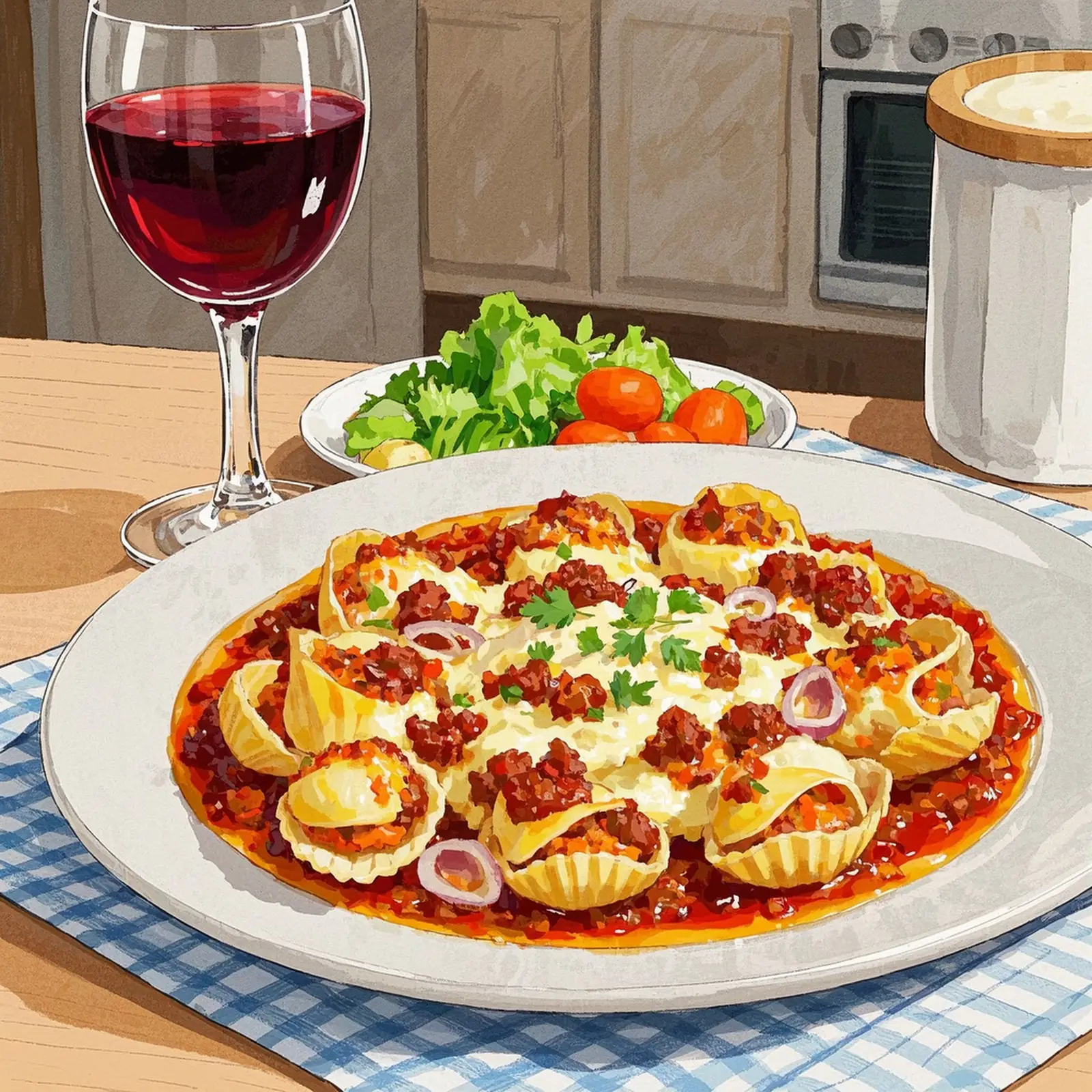
Cheese Stuffed Shells with Bolognese Sauce plated dish
🇮🇹Italiandinnerbakedhigh-protein

Cheese Stuffed Shells with Bolognese Sauce

Contains: dairy, wheat/gluten
Prep 15mCook 90mTotal 105m
medium4 servings35g protein

Share This Recipe

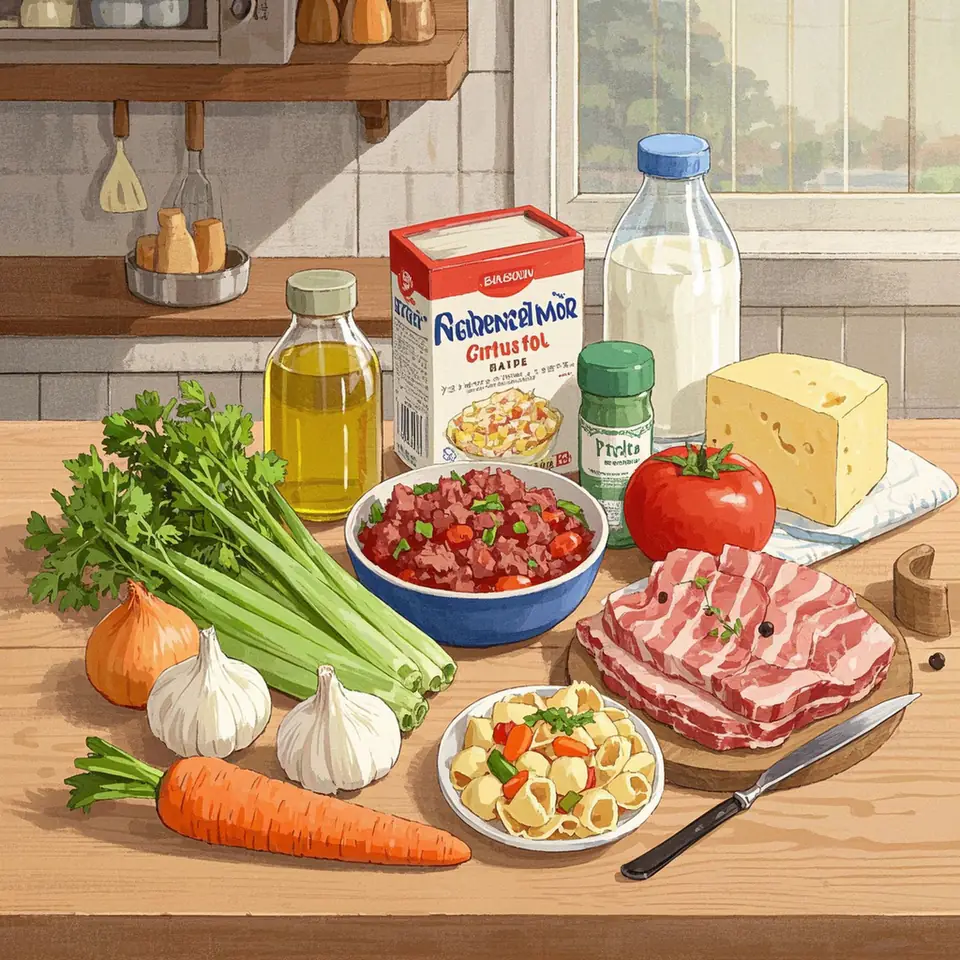
Cheese Stuffed Shells with Bolognese Sauce ingredient setup

Ingredients

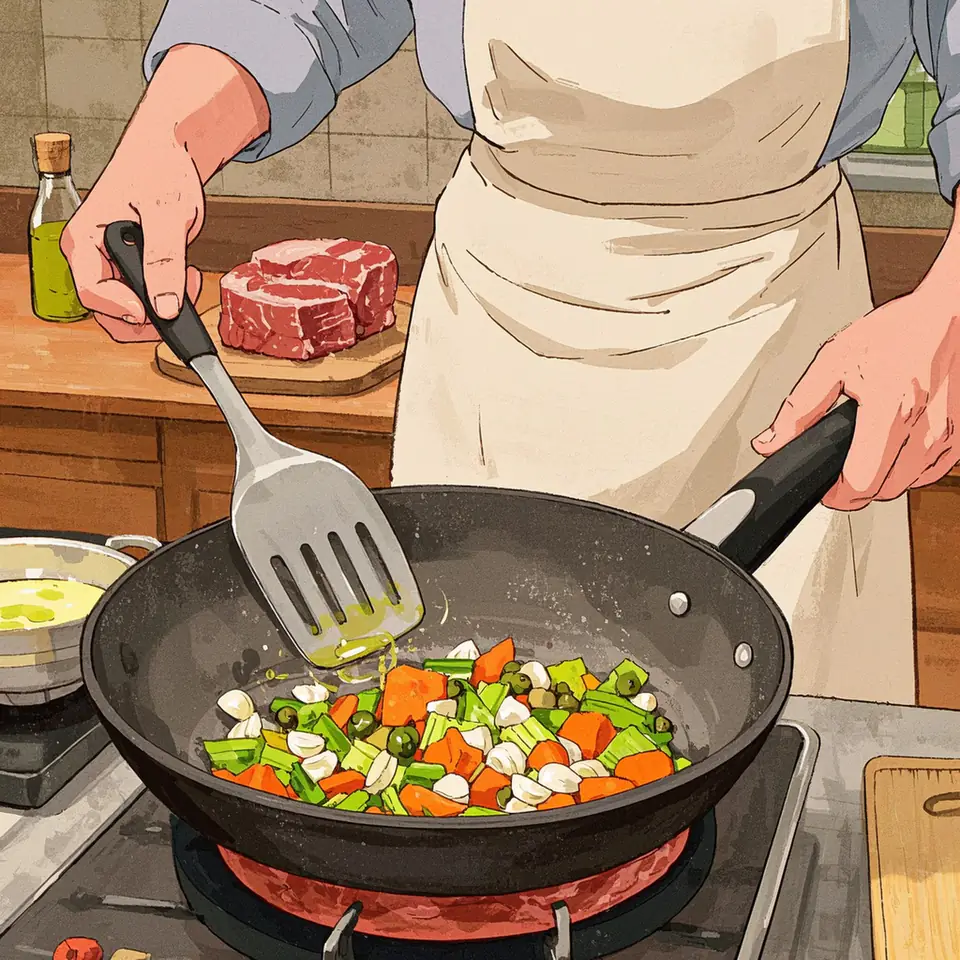
Cheese Stuffed Shells with Bolognese Sauce cooking process

Cooking Process

Steps

1

Place a heavy-bottom pot over medium heat. Pour in the olive oil, then add the onion, celery, carrot, and garlic. Cook them in the oil.

cook
2

While cooking, stir the vegetables occasionally. Continue cooking for 5 - 7 minutes until the vegetables are softened. Then, season them with salt and black pepper.

cookseason5-7 min
3

Add the pancetta, veal, and pork to the pot. Turn the heat to high and cook the meat, stirring constantly to break up any lumps.

addcook
4

Keep cooking the meat over high heat for about 6 - 8 minutes, or until the meat is fully cooked.

cook6-8 min
5

Stir in the tomato paste, milk, wine, water, and thyme. Cover the pot and gently simmer the sauce until it begins to thicken, which should take about 1 hour.

stirsimmer60-60 min
6

Taste the sauce and adjust the seasoning with salt and black pepper as needed.

adjust
7

Preheat your oven to 350°F (176.67°C).

preheat350°F
8

Take a casserole dish and spread some of the Bolognese sauce evenly across the bottom of the dish.

cover
9

Place the stuffed shells into the baking dish. Then, cover the top of the stuffed shells with additional Bolognese sauce.

addcover
10

Cover the baking dish with foil. Place it in the preheated 350°F (176.67°C) oven and bake for 30 - 35 minutes.

coverbake30-35 min350°F
11

Once the dish is baked, divide the cheese - stuffed shells among serving plates. If you like, sprinkle some parmesan cheese on top.

dividesprinkle
12

Serve the cheese - stuffed shells immediately while they're hot.

serve

Nutrition

Per serving (2 servings)

375

Calories

18g

Protein

20g

Carbs

20g

Fat

400mg

Sodium

Quick Answers

Recipe at a glance

Answer-first
Total Time
105 minutes

Recipe metadata

Servings
4

Base recipe yield

Difficulty
medium

Estimated cook difficulty

Cuisine
Italian

Tag-based classification

Best For
dinner

Meal-type tag

Allergens
dairy, wheat/gluten

Detected from ingredients + tags

Key Temps
350°F

Parsed from steps

Timed Steps
4

Steps with timer guidance

Nutrition Snapshot
750 cal • 35g protein

Per base serving (if available)

FAQ

Recipe Questions

Show

How many servings does this cheese stuffed shells recipe make?

This recipe makes 4 servings. It's suitable for a family dinner or a small gathering.

How long does it take to cook this recipe?

The total cooking time is about 105 minutes, with 15 minutes of prep and 90 minutes of cooking.

Can I substitute the ground veal in this recipe?

Yes, the ground veal is optional. You can use ground beef or ground turkey as substitutes.

What are the allergens in this cheese stuffed shells with Bolognese sauce?

The recipe contains dairy and wheat/gluten, so it's not suitable for those allergic to these ingredients.

What temperature should I preheat the oven to?

Preheat the oven to 350°F (176.67°C) for baking the stuffed shells.

How difficult is this recipe?

The recipe has a medium difficulty level, which means it requires some cooking skills and time.

How should I store the leftovers?

Store leftovers in an airtight container in the fridge for 3 - 4 days or freeze for up to 3 months. Let it cool first and label the container.

How do I reheat the cheese stuffed shells?

You can reheat in the oven at 350°F (176.67°C) for 20 - 25 minutes or in the microwave in 1 - 2 minute intervals, stirring in between.

Substitutions

Show

Celentano Stuffed Shells

Other brands of stuffed shells, Homemade stuffed shells

Using other brands may result in slightly different flavors and textures. Homemade stuffed shells allow for customization but require more time and effort.

White Onion

Yellow onion, Red onion

Yellow onions are a common substitute and have a similar flavor. Red onions are sweeter and can add a pop of color, but their flavor is a bit more pronounced.

Pancetta

Bacon, Prosciutto

Bacon is a widely available substitute, but it has a smokier flavor. Prosciutto is a leaner option with a more delicate flavor, but it may be more expensive.

Ground Veal

Ground beef, Ground turkey

Ground beef is a classic substitute and will give the sauce a heartier flavor. Ground turkey is a leaner option, but it may be drier and require more moisture during cooking.

Ground Pork

Ground chicken, Ground lamb

Ground chicken is a leaner alternative, but it has a milder flavor. Ground lamb adds a rich and gamey flavor, but it may be an acquired taste.

Milk

Heavy cream, Half - and - half

Heavy cream will make the sauce richer and creamier, but it also adds more fat. Half - and - half is a lighter option, with a balance between milk and cream.

White Wine

Chicken broth, Apple cider

Chicken broth is a neutral substitute and will not add a strong flavor. Apple cider adds a sweet and fruity note, which may change the overall flavor profile of the sauce.

Parmesan Cheese

Pecorino Romano, Grated Asiago

Pecorino Romano is a sharp and salty cheese, similar to Parmesan. Grated Asiago has a nutty flavor and can be used as a substitute, but it may be less sharp.

Storage & Reheating

Show

Refrigerator

Store leftovers in an airtight container in the fridge for 3 - 4 days.

Freezer

For longer storage, freeze the dish in a freezer - safe container for up to 3 months.

Storage Tips

  • Let the dish cool to room temperature before refrigerating or freezing to prevent the growth of bacteria.
  • Label the container with the date of storage.

Reheating Tips

  • Oven: Preheat to 350°F (176.67°C), cover the dish with foil, and bake for about 20 - 25 minutes until heated through. This helps avoid the top from drying out.
  • Microwave: Place the dish in a microwave - safe container, cover with a microwave - safe lid or plastic wrap, leaving a small vent. Heat in 1 - 2 minute intervals, stirring in between, until heated evenly.

Safety Notes

  • Always ensure the dish reaches an internal temperature of at least 165°F (74°C) when reheating to prevent foodborne illnesses.
  • Do not refreeze leftovers that have been thawed.

Troubleshooting

Show

The vegetables in the pot burn while cooking

Likely cause: The heat was set too high or the vegetables were not stirred frequently enough

Reduce the heat to medium - low and stir the vegetables more often. If some vegetables are burned, remove them from the pot and continue cooking the remaining ones.

The meat doesn't break up into small pieces

Likely cause: The meat was not stirred vigorously enough or was added in large chunks

Use a wooden spoon or spatula to break up the meat more forcefully. If the meat has clumped together, break up the larger pieces with a fork before continuing to stir.

The Bolognese sauce doesn't thicken after 1 hour of simmering

Likely cause: There might be too much liquid in the sauce or the heat was too low

Uncover the pot and increase the heat slightly to allow more liquid to evaporate. You can also stir in a small amount of cornstarch mixed with water to help thicken the sauce.

The stuffed shells are undercooked after 35 minutes in the oven

Likely cause: The oven temperature might be lower than set or the shells were too thick

Check the oven temperature with an oven thermometer. If it's low, increase the temperature slightly and continue baking the shells for an additional 5 - 10 minutes, checking regularly.

The Bolognese sauce has a bitter taste

Likely cause: The garlic or onions were burned during cooking or the white wine was of poor quality

If the garlic or onions were burned, strain the sauce to remove the burned bits. You can also add a small amount of sugar to counteract the bitterness. If the wine is the problem, consider using a different substitute next time.

The milk in the sauce curdles

Likely cause: The milk was added too quickly to a hot sauce or the sauce was over - heated

Remove the pot from the heat immediately. Stir the sauce gently to see if the curdling can be minimized. If not, strain the sauce to remove the curdled bits and continue with the recipe.