Back to Recipes
Sign InRequest Recipe
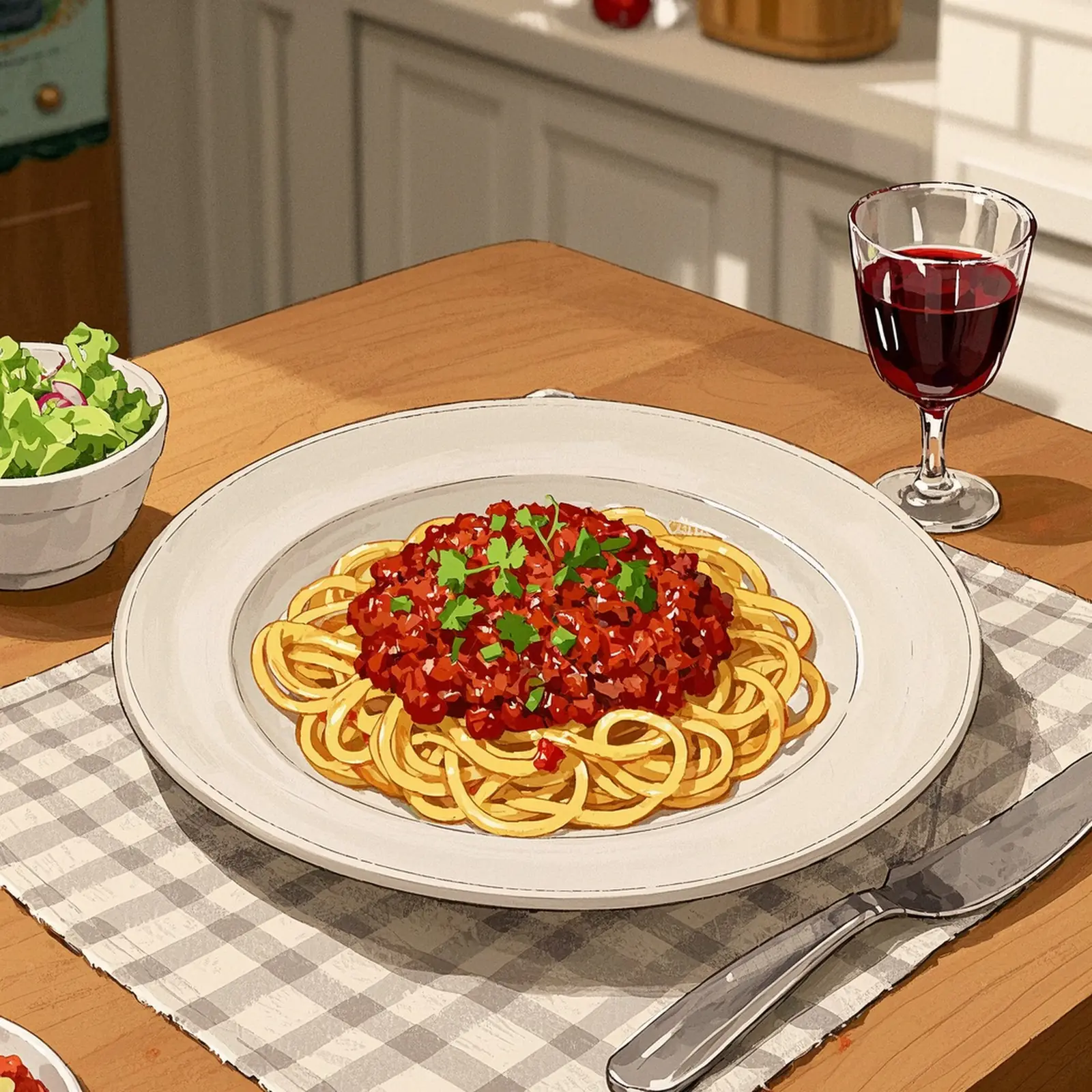
Authentic Italian Spaghetti plated dish
🇮🇹Italiandinnerslow - cooked

Authentic Italian Spaghetti

Contains: wheat/gluten
Prep 15mCook 5mTotal 180m
medium2 servings31g protein

Share This Recipe

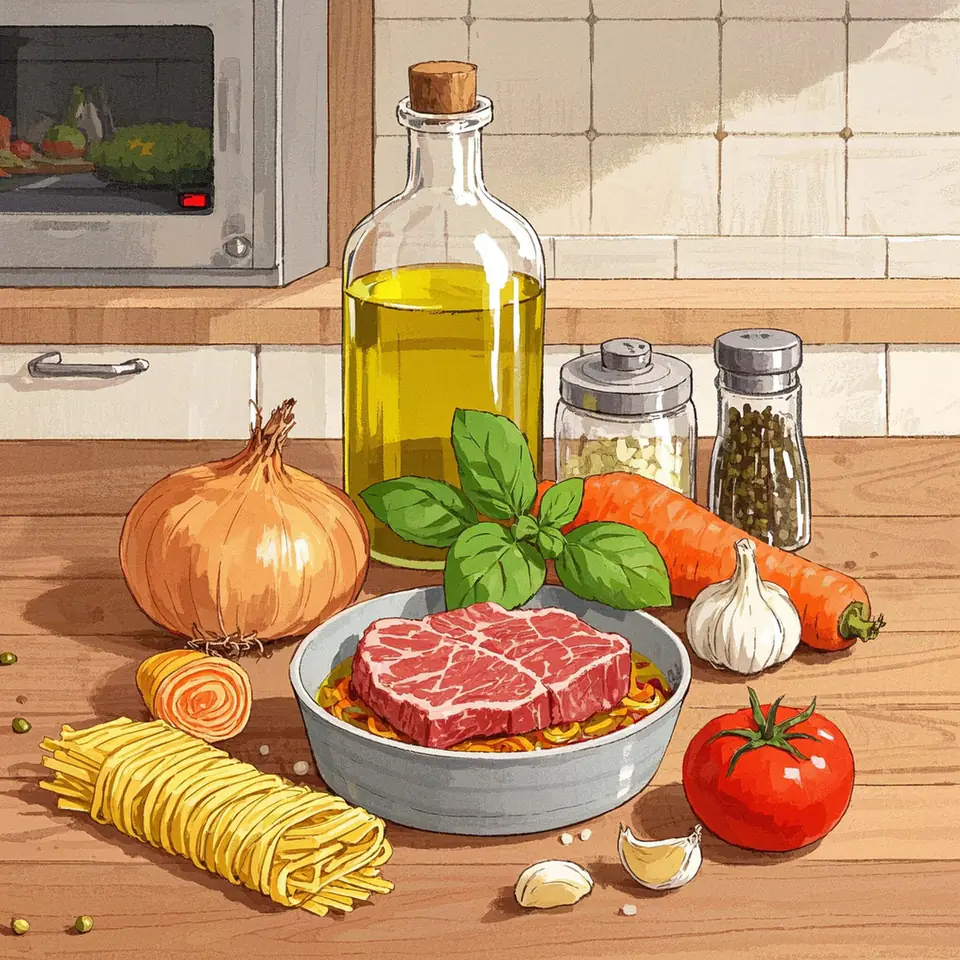
Authentic Italian Spaghetti ingredient setup

Ingredients

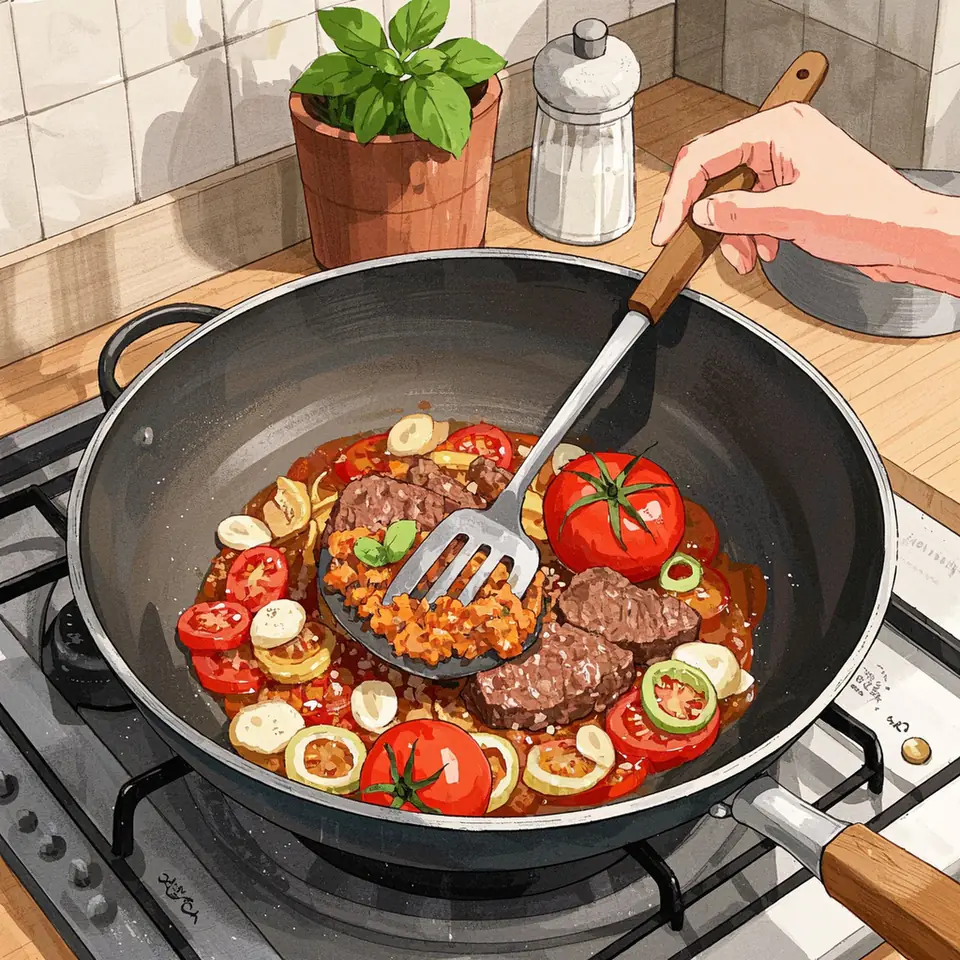
Authentic Italian Spaghetti cooking process

Cooking Process

Recipe Note

Flavor + context before you cook

""

Steps

1

Place a large, deep skillet over medium heat and pour in the oil. Once the oil is hot, add the onion, carrots, and garlic. Sauté for 1 minute until the vegetables start to become fragrant.

heataddsauté1-1 min
2

Add the ground beef and pork to the skillet and continue cooking until the meat is browned and the onions are soft.

addcook
3

Once the meat is browned and the onions are soft, add the tomatoes to the skillet.

add
4

Cook the tomatoes for about 4 - 5 minutes until they have softened and started to release their juices. Then, add the basil, salt, and pepper to the skillet.

cookadd4-5 min
5

If you are using whole tomatoes, use a potato masher or spatula to mash them in the skillet to release all their juices.

mash
6

Taste the sauce. If you feel it needs to have its flavors balanced, add sugar to the skillet.

tasteadd
7

Reduce the heat to low and let the sauce simmer for at least 1 hour, or up to 6 hours. Stir the sauce occasionally as it simmers. Remember, tomatoes burn easily, so keep an eye on the sauce. If the sauce starts to thicken too much, add beef broth a little at a time to thin it out.

simmerstiradd60-360 min
8

Fill a large pot with salted water and bring it to a boil. Add the spaghetti to the boiling water and cook it until it is al dente.

fillbringaddcook
9

Drain the cooked spaghetti completely and return it to the pot.

drainreturn
10

Add the sauce to the spaghetti noodles in the pot and toss the noodles until they are fully covered with the sauce.

addtoss
11

Add fresh basil to the spaghetti for more flavor and garnish, according to your taste.

add

Nutrition

Per serving (2 servings)

635

Calories

31g

Protein

66g

Carbs

27g

Fat

491mg

Sodium

Quick Answers

Recipe at a glance

Answer-first
Total Time
180 minutes

Recipe metadata

Servings
2

Base recipe yield

Difficulty
medium

Estimated cook difficulty

Cuisine
Italian

Tag-based classification

Best For
dinner

Meal-type tag

Allergens
wheat/gluten

Detected from ingredients + tags

Timed Steps
3

Steps with timer guidance

Nutrition Snapshot
635 cal • 31g protein

Per base serving (if available)

FAQ

Recipe Questions

Show

How many servings does this Authentic Italian Spaghetti recipe make?

This recipe makes 2 servings. The base servings specified in the recipe data is 2.

Can I substitute the beef broth in this recipe?

Yes, you can substitute beef broth. You can use pasta water or a splash of red wine instead while simmering the sauce.

How long does it take to make this spaghetti?

The total time is 180 minutes. It includes 15 minutes of prep time and at least 60 minutes of cooking time for the sauce.

What are the allergens in this Authentic Italian Spaghetti?

The known allergen in this recipe is wheat/gluten, as it contains spaghetti noodles.

How difficult is this recipe?

This recipe has a medium difficulty level, according to the recipe's difficulty metadata.

Can I prep this recipe ahead of time?

Yes, you can prep ahead. The sauce can be simmered for up to 6 hours, and you can make it in advance and reheat later.

Substitutions

Show

olive oil

canola oil, vegetable oil

Canola and vegetable oils have a more neutral flavor compared to the fruity flavor of olive oil. They also have a higher smoke point, which can be beneficial for high - heat cooking.

onion

shallots, leeks

Shallots have a milder and sweeter flavor than onions. Leeks have a more delicate onion - like flavor. When using leeks, make sure to clean them thoroughly as dirt can get trapped between the layers.

carrot

sweet potato, butternut squash

Sweet potato and butternut squash are sweeter and denser than carrots. They may take a bit longer to cook, so you might need to adjust the sauté time in the beginning.

ground beef

ground turkey, ground chicken

Ground turkey and chicken are leaner than ground beef, so the sauce may be less fatty. They also have a milder flavor, which can change the overall taste profile of the dish.

ground pork

ground veal

Ground veal has a milder and more delicate flavor compared to ground pork. It can be a bit more expensive and may require careful cooking to prevent it from drying out.

tomatoes

tomato puree, tomato sauce

Tomato puree and sauce are more concentrated than fresh or canned tomatoes. You may need to adjust the amount used and add a bit more water or broth to achieve the right consistency. They also have a more cooked - in flavor.

beef broth

chicken broth, vegetable broth

Chicken broth has a similar savory flavor to beef broth, while vegetable broth is a good option for vegetarians. Using chicken or vegetable broth will change the overall meaty flavor of the sauce slightly.

spaghetti noodles

linguine, fettuccine

Linguine is flatter and thinner than spaghetti, while fettuccine is wider. They will cook at a similar rate but have a different mouthfeel when combined with the sauce.

Storage & Reheating

Show

Refrigerator

Store leftover spaghetti in an airtight container in the fridge for 3 - 4 days.

Freezer

Freeze the spaghetti in a freezer - safe container for up to 3 months.

Storage Tips

  • Let the spaghetti cool to room temperature before refrigerating or freezing to prevent condensation inside the container.
  • Label the container with the date of storage.

Reheating Tips

  • For the stovetop, add a splash of water or broth to the pan, cover, and heat over low - medium heat, stirring often to avoid drying out.
  • In the microwave, place the spaghetti in a microwave - safe dish, cover with a damp paper towel, and heat in short intervals, stirring between each, until heated through.

Safety Notes

  • Always reheat spaghetti to an internal temperature that kills harmful bacteria. Discard if it has an off - smell, appearance, or taste.

Troubleshooting

Show

The vegetables don't become fragrant during sautéing

Likely cause: The heat is too low or the sautéing time is insufficient

Increase the heat to medium-high and continue sautéing for another minute or two until the vegetables become fragrant

The meat doesn't brown properly

Likely cause: The skillet is overcrowded, preventing proper browning, or the heat is too low

If the skillet is overcrowded, cook the meat in batches. Increase the heat to medium-high and stir the meat frequently to promote browning

The tomatoes are not softening and releasing juices after 4 - 5 minutes of cooking

Likely cause: The tomatoes may be under - ripe or the heat is too low

Continue cooking the tomatoes for a few more minutes on medium heat. If using under - ripe tomatoes, you can add a splash of water to help them release juices

The sauce burns during simmering

Likely cause: The heat is too high, or the sauce wasn't stirred frequently enough

Immediately reduce the heat to the lowest setting. Stir the sauce more often, at least every 10 - 15 minutes. If a small part of the sauce has burned, carefully remove the burned portion

The sauce is too thick during simmering

Likely cause: The sauce has been simmering for too long or not enough liquid was added initially

Add beef broth, pasta water, or a splash of red wine a little at a time, stirring well after each addition until the desired consistency is reached

The spaghetti is overcooked and mushy

Likely cause: The spaghetti was cooked for too long or the cooking time was not monitored properly

Next time, start checking the spaghetti for doneness a few minutes before the recommended cooking time. If the spaghetti is already overcooked, you can try draining it well and using it in a pasta bake instead

The spaghetti is undercooked and hard in the center

Likely cause: The cooking time was too short or the water did not reach a full boil before adding the spaghetti

Return the undercooked spaghetti to the pot of boiling water and cook for a few more minutes, checking frequently until it reaches the al dente stage

The sauce tastes bland

Likely cause: Insufficient seasoning or the simmering time was too short

Add a little more salt, pepper, and if desired, some extra basil. You can also let the sauce simmer for a bit longer to allow the flavors to meld